Good Morning: A Practical Guide to Using This Brushed Handwritten Font
In the crowded landscape of digital typography, finding a typeface that balances personality with legibility is often a challenge for designers and content creators. Good Morning emerges as a compelling option in this space, offering a cool, simple, and brushed handwritten aesthetic that resonates with modern design trends. Unlike rigid serif or sans-serif fonts, this typeface introduces a human element to digital interfaces and print media, making it an ideal choice for projects requiring a casual or relaxed tone. For professionals ranging from marketers to independent bloggers, understanding the nuances of Good Morning can significantly enhance the visual communication of their brand or message.
Defining the Aesthetic and Core Characteristics
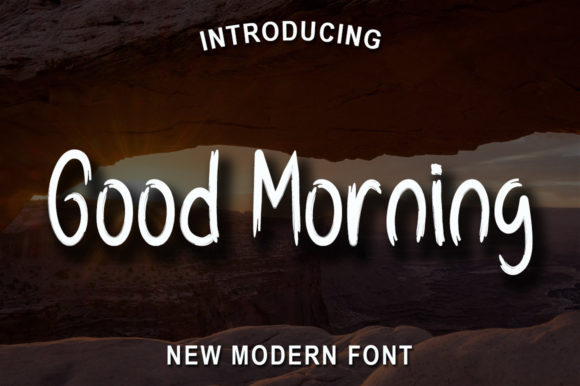
At its core, Good Morning is defined by its organic structure. It mimics the natural flow of handwriting, featuring subtle variations in stroke width that suggest the use of a brush or marker. This "brushed" quality is not overly dramatic; instead, it maintains a level of simplicity that prevents the font from becoming distracting. The letters are formed with a light touch, avoiding heavy ink blobs or excessive flourishes that can clutter a design. This restraint is what makes the font versatile. It feels approachable and friendly without sacrificing professionalism entirely.
The font’s casual nature is its primary strength. It does not demand attention through size or boldness but rather through its inherent warmth. When viewed in isolation, the characters appear relaxed, with open counters and gentle curves. This makes Good Morning particularly effective for designs that aim to create a sense of community, comfort, or ease. It is not a font for corporate legal documents or high-frequency data tables, but it excels in contexts where emotional connection is prioritized over strict informational density.
Practical Applications in Design and Marketing
For marketers and small business owners, the utility of Good Morning lies in its ability to soften brand messaging. In an era where consumers are increasingly skeptical of polished, corporate advertising, authentic and human-centric design elements can build trust. Using this font in social media graphics, email headers, or packaging labels can make a brand feel more accessible. For instance, a local coffee shop or a boutique skincare line might use Good Morning for product names or promotional quotes to evoke a sense of artisanal care and personal attention.
Bloggers and publishers also find significant value in this typeface. When used for pull quotes, section headers, or introductory paragraphs, it breaks the monotony of standard web fonts. It guides the reader’s eye and adds visual interest without disrupting the reading flow. However, it is crucial to note that Good Morning is best suited for short bursts of text. Using it for long-form body copy can lead to reader fatigue due to the irregular baseline and varying character widths typical of handwritten styles. Therefore, its most effective role is as a display font or accent typeface, paired with a clean, highly legible sans-serif for the main content.
Evaluating Usability and Technical Performance
From a technical standpoint, the usability of Good Morning depends on proper implementation. Handwritten fonts can sometimes suffer from poor kerning or inconsistent spacing, which may require manual adjustment in design software. Users should be prepared to tweak letter-spacing (tracking) to ensure optimal readability, especially at smaller sizes. The font performs well in digital formats, provided it is rendered at a sufficient resolution. On high-density screens, the brushed edges remain crisp, maintaining the intended aesthetic. However, on lower-resolution displays or when printed at very small sizes, the finer details of the brush strokes may lose definition, potentially affecting legibility.
Flexibility is another key consideration. While Good Morning is inherently casual, its simplicity allows it to adapt to various color palettes and design styles. It pairs effectively with minimalist layouts, where ample white space allows the character shapes to breathe. It also works well in bohemian or rustic themes, complementing natural textures and earthy tones. Designers should experiment with opacity and layering effects to explore endless variations, as the font’s lightweight structure responds well to subtle graphical treatments.
Who Benefits Most from This Typeface?
The primary audience for Good Morning includes creative professionals who need to convey warmth and authenticity. Freelancers designing logos for lifestyle brands, educators creating engaging classroom materials, and entrepreneurs building personal brands will find this font particularly useful. It is also suitable for hobbyists working on personal projects such as wedding invitations, greeting cards, or scrapbooking, where a personal touch is desired.
However, it is less suitable for industries that require strict authority and formality, such as finance, law, or healthcare. In these sectors, the casual nature of Good Morning might undermine the perceived reliability of the information. Therefore, users must carefully assess their target audience and brand voice before integrating this font into their visual identity. If the goal is to appear approachable, creative, and human, Good Morning is an excellent fit. If the goal is to project rigid stability and tradition, a more conventional typeface would be preferable.
Limitations and Best Practices
While Good Morning offers many advantages, it is not without limitations. As with any decorative font, overuse can diminish its impact. Using it for entire paragraphs or in complex layouts can create visual noise, making the design feel cluttered and difficult to navigate. Designers should adhere to the principle of hierarchy, reserving Good Morning for headlines, titles, or short emphatic statements. Additionally, accessibility should always be a priority. Ensure that there is sufficient contrast between the text and background, and avoid using the font in situations where users with visual impairments might struggle to decipher the handwritten forms.
Another practical recommendation is to test the font across different devices and platforms. What looks elegant on a desktop monitor may appear cramped on a mobile screen. Responsive design practices should include checking how Good Morning scales and reflows in various viewports. Adjusting line height and margin settings can help maintain readability on smaller screens.
Long-Term Value and Design Consistency
Investing time in mastering the use of Good Morning can yield long-term value for a designer’s toolkit. Its timeless appeal lies in its simplicity; it does not rely on trendy embellishments that may quickly become outdated. Instead, it focuses on the fundamental beauty of handwritten expression, which remains relevant across design cycles. By establishing consistent guidelines for its use—such as specific pairings, size ranges, and color applications—brands can maintain a cohesive visual identity that feels both fresh and reliable.
Ultimately, Good Morning is more than just a font; it is a tool for emotional engagement. When used thoughtfully, it enhances the user experience by adding a layer of personality and warmth to digital and print media. For those willing to explore its variations and respect its limitations, it offers a powerful way to connect with audiences on a human level. Whether you are designing a new brand identity, updating a blog, or creating marketing materials, consider how this brushed handwritten font can support your goals. Have fun with this beautiful font and explore its endless variations to find the perfect balance for your next project.