Mastering Urban Typography: A Deep Dive into the Retro Frame Display Font
In the ever-evolving landscape of graphic design, typography serves as the voice of visual communication. It is not merely about legibility; it is about emotion, context, and identity. Among the myriad of typefaces available to modern designers, Retro Frame has emerged as a distinctive choice for those seeking to blend vintage aesthetics with contemporary urban edge. This brushed display font offers a unique combination of raw texture and structured form, making it an invaluable asset for a wide range of creative projects. From streetwear labels to high-impact advertising campaigns, understanding how to leverage this typeface can significantly elevate the quality and resonance of your design work.
The Aesthetic Identity of Brushed Display Fonts
To fully appreciate the utility of Retro Frame, one must first understand the category it inhabits. Brushed display fonts are characterized by their imitation of hand-painted lettering, often featuring irregular edges, varying stroke widths, and a sense of organic movement. Unlike clean, geometric sans-serifs that convey neutrality and modernity, brushed fonts inject personality and human touch into digital mediums. They evoke a sense of nostalgia, reminding viewers of hand-signed posters, vintage signage, and analog craftsmanship.
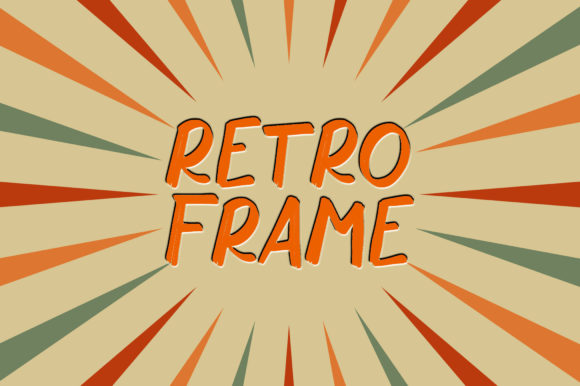
Retro Frame distinguishes itself within this category through its specific structural balance. While many brushed fonts lean heavily into chaos or excessive distressing, this typeface maintains a cool, urban sophistication. The "frame" aspect of its name suggests a certain containment and deliberate composition, preventing the brush strokes from appearing messy or unreadable. This balance between raw energy and controlled structure is what makes it particularly suitable for professional applications where brand clarity is paramount alongside stylistic flair.
Key Characteristics and Design Versatility
The versatility of Retro Frame stems from its ability to adapt to various design contexts without losing its core identity. Several key characteristics define its performance in real-world scenarios:
- Textured Authenticity: The brushed effect provides a tactile quality that flat digital fonts often lack. This texture adds depth to designs, making them feel more grounded and authentic.
- Urban Edge: The font’s styling resonates strongly with street culture, skateboarding aesthetics, and modern urban lifestyles. It captures the gritty yet polished vibe of city life.
- High Impact Legibility: Despite its decorative nature, Retro Frame retains strong letterforms that remain readable at large sizes, a crucial factor for headlines and logos.
- Neutral Color Compatibility: The font works exceptionally well with both monochromatic schemes and vibrant, multi-color palettes, allowing designers flexibility in their color strategies.
These traits make the font not just a decorative element, but a functional tool for conveying specific brand values such as authenticity, creativity, and boldness.
Strategic Applications in Apparel and Sportswear
One of the most prominent use cases for Retro Frame is in the fashion industry, particularly within the t-shirt and sportswear sectors. In this domain, typography is often the central graphic element. Consumers of urban apparel are drawn to designs that express individuality and cultural alignment. A font that mimics the look of hand-painted street art or vintage athletic jerseys creates an immediate emotional connection.
For t-shirt designs, the font can be used as a standalone statement piece. When printed on high-quality cotton using screen printing techniques, the brushed texture of Retro Frame can be replicated with impressive fidelity, enhancing the perceived value of the garment. In sportswear, the font’s dynamic energy complements the active lifestyle associated with athletic brands. It can be applied to jersey numbers, team names, or motivational slogans, adding a layer of rugged determination to the visual identity.
Designers should consider pairing Retro Frame with minimalistic graphics to let the typography shine. Overcrowding the design with additional elements can dilute the impact of the font’s textured details. Instead, allowing ample negative space around the lettering ensures that the urban style remains the focal point.
Elevating Branding and Logos
Creating a memorable logo is a challenging task that requires a balance of uniqueness and scalability. Retro Frame offers a compelling option for businesses looking to establish a brand identity that is both modern and rooted in classic design principles. It is particularly effective for brands in the hospitality, entertainment, and creative industries.
For example, a craft brewery might use Retro Frame to convey a sense of artisanal quality and traditional brewing methods, while simultaneously appealing to a younger, trend-conscious demographic. Similarly, a music venue or event promoter could utilize the font to create posters and digital assets that exude energy and excitement. The font’s ability to stand out in crowded visual environments makes it ideal for logos that need to capture attention quickly.
When using Retro Frame for logos, it is essential to consider simplification. While the full brushed effect is beautiful at large sizes, it may lose detail when scaled down for small applications like social media avatars or business cards. Designers often create a simplified version of the logotype, retaining the core shape of the letters while reducing the intensity of the brush texture, ensuring consistent recognition across all platforms.
Impact in Advertising and Promotional Materials
In the realm of advertising, the goal is to communicate a message clearly and persuasively within seconds. Retro Frame excels in this environment due to its bold presence and ability to evoke mood. Whether used in digital banners, print ads, or outdoor billboards, the font commands attention.
Consider an advertisement for a new urban exploration tour or a limited-edition sneaker drop. Using Retro Frame for the headline instantly sets the tone: it is exclusive, stylish, and connected to street culture. The font’s inherent dynamism guides the viewer’s eye across the layout, creating a visual hierarchy that prioritizes the most important information.
Furthermore, the font pairs well with photographic backgrounds, especially those featuring urban landscapes, concrete textures, or motion blur. This synergy between typography and imagery creates a cohesive narrative that enhances the overall effectiveness of the campaign. Designers should experiment with layering effects, such as overlaying the text on images with blending modes, to integrate the font seamlessly into the visual composition.
Implementation Best Practices for Designers
To maximize the potential of Retro Frame, designers should adhere to several best practices that ensure optimal results across different mediums:
- Size Matters: As a display font, Retro Frame is designed for large sizes. Avoid using it for body text or small captions, where the brushed details may become illegible or appear as visual noise.
- Contrast is Key: Ensure sufficient contrast between the font color and the background. Light-colored text on dark backgrounds, or vice versa, helps the textured edges stand out clearly.
- Limit Word Count: Display fonts are most effective when used sparingly. Limit usage to headlines, titles, or short phrases to maintain impact and readability.
- Pairing with Secondary Fonts: Combine Retro Frame with clean, simple sans-serif or serif fonts for supporting text. This contrast creates a balanced hierarchy and prevents the design from feeling overwhelming.
- Contextual Awareness: Always consider the target audience and brand message. While the font is versatile, it may not be suitable for corporate, legal, or highly formal contexts where neutrality is preferred.
By following these guidelines, creators can harness the full power of Retro Frame to produce designs that are not only visually striking but also strategically effective. The font serves as a bridge between the past and present, offering a timeless appeal that resonates with diverse audiences. Whether you are a seasoned graphic designer or a hobbyist exploring typography, incorporating Retro Frame into your toolkit can open new avenues for creative expression and professional growth.
Ultimately, the success of any typographic choice depends on its alignment with the project’s goals. Retro Frame offers a robust solution for those seeking to infuse their work with urban sophistication and artistic integrity. Its ability to adapt to various formats—from clothing to advertisements—makes it a reliable and inspiring choice for modern design challenges. As trends continue to shift towards authenticity and human-centric design, the relevance of brushed display fonts like Retro Frame is likely to grow, cementing its place as a staple in contemporary visual communication.