Good Stories: A Brushed Display Font for Creators
Typography often serves as the silent narrator of visual communication. It sets the mood before a single word is read, influencing how an audience perceives tone, intent, and quality. Good Stories enters this landscape not as a utilitarian workhorse for dense paragraphs, but as a expressive display typeface designed to capture attention. With its cool, brushed aesthetic, it bridges the gap between hand-lettered authenticity and digital precision. For anyone involved in visual creation—from seasoned graphic designers to hobbyists crafting weekend projects—understanding the specific character and utility of this font can significantly elevate the final output.
Understanding the Aesthetic Appeal
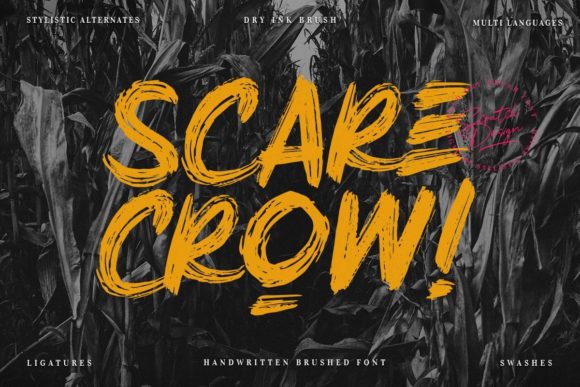
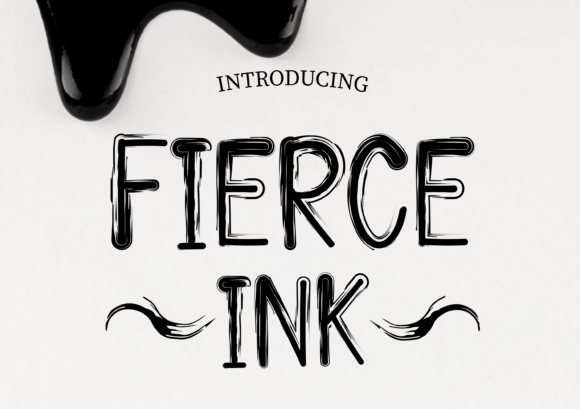
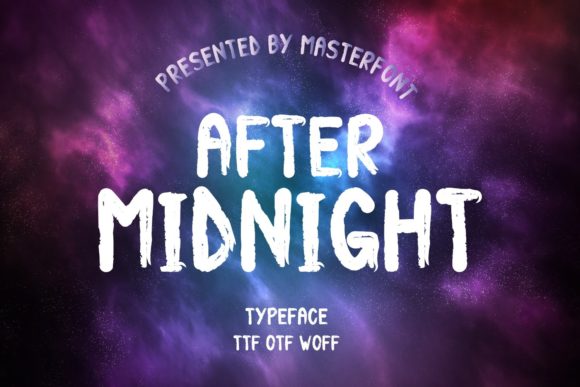
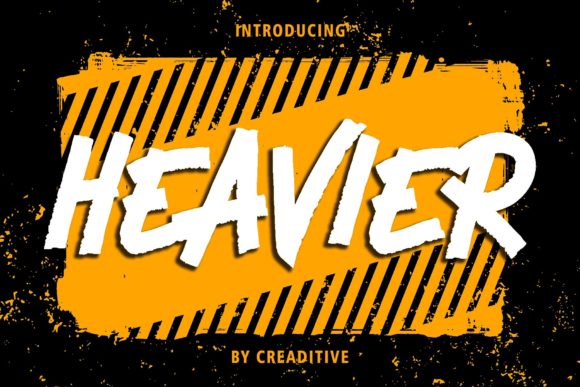
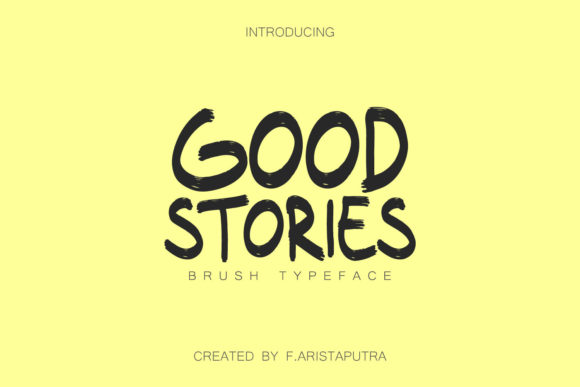
At its core, Good Stories is a display font. This classification means it is optimized for larger sizes, such as headlines, titles, and short phrases, rather than body text. The "brushed" quality refers to the texture within the letterforms, mimicking the stroke of a paintbrush or marker. This introduces an organic, human element to digital designs, which can otherwise feel sterile or overly manufactured.
The "cool" aspect of its design lies in its versatility. It avoids being overly whimsical or childish, maintaining a level of sophistication that allows it to fit into modern, minimalist, or rustic design schemes. For creators, this balance is crucial. A font that is too decorative may limit its application, while one that is too plain may fail to stand out. Good Stories occupies a middle ground where it feels approachable yet professional, making it a valuable asset for a wide range of projects.
Perspectives from Different Creators
The value of a typeface is rarely universal; it depends heavily on the user’s goals, skill level, and industry. Here is how different audiences might evaluate and utilize Good Stories.
For Graphic Designers and Branding Professionals
Experienced designers prioritize flexibility and licensing clarity. When evaluating Good Stories, a professional looks at how well it pairs with secondary fonts. Because display fonts can be dominant, the ability to harmonize them with clean sans-serifs or classic serifs is essential. Good Stories works well in branding packages for businesses that want to convey authenticity, such as artisanal coffee shops, boutique clothing lines, or creative agencies.
Professionals also consider technical reliability. They need to know that the kerning (spacing between letters) is consistent and that the font renders correctly across various media, from print brochures to high-resolution web banners. The brushed texture must remain crisp when scaled up, avoiding pixelation or loss of detail. If Good Stories delivers on these technical fronts, it becomes a reliable tool in a designer’s toolkit for creating logos, packaging labels, and social media assets that require a distinct personality.
For Small Business Owners and Entrepreneurs
Entrepreneurs often wear many hats, including that of the marketer. For a small business owner, the priority is often speed and impact. They may not have the budget to hire a custom lettering artist, so a high-quality pre-made font like Good Stories offers a cost-effective solution to achieve a custom look.
Consider a local bakery launching a new seasonal menu. Using Good Stories for the header "Autumn Harvest Specials" instantly communicates warmth and handmade quality. It helps the business stand out in a crowded market by adding a layer of visual storytelling that standard system fonts cannot provide. For these users, the ease of installation and immediate visual improvement are key benefits. They need a tool that makes their materials look polished without requiring advanced design skills.
For Digital Marketers and Content Creators
In the fast-paced world of social media, stopping the scroll is the primary objective. Bloggers, influencers, and digital marketers use typography to create thumb-stopping graphics for Instagram, Pinterest, and YouTube thumbnails. Good Stories is particularly effective here because its brushed style adds texture and depth to flat digital images.
A lifestyle blogger might use it for quote overlays on travel photos, where the organic feel of the font complements the natural scenery. A marketing team might use it for limited-time offer banners, where the boldness of the display font ensures readability even at smaller sizes on mobile screens. For this audience, the font’s ability to convey emotion quickly—whether it’s excitement, calm, or nostalgia—is more important than typographic minutiae. They value tools that enhance engagement and click-through rates.
For Hobbyists and Crafters
On the other end of the spectrum, hobbyists using cutting machines for vinyl decals, greeting cards, or home decor prioritize ease of use and fun. Good Stories appeals to this group because it brings a professional touch to personal projects. Whether creating a wedding invitation suite or a custom t-shirt for a family reunion, the font allows non-designers to produce results that look store-bought.
For crafters, the learning curve is minimal. They do not need to understand complex design theory to make Good Stories look good. Simply typing out a phrase and adjusting the size often yields a satisfying result. The emotional reward of creating something beautiful and tangible is a significant driver for this audience, and a font that facilitates that creativity is highly valued.
Practical Applications and Use Cases
To determine if Good Stories is the right choice for your project, consider the context in which it will be viewed. Here are several practical scenarios where this font excels:
- Greeting Cards and Invitations: The handwritten feel adds a personal touch, making recipients feel valued. It works beautifully for birthdays, holidays, and informal events.
- Packaging Design: For products that emphasize natural ingredients or handmade processes, the brushed texture reinforces the brand narrative.
- Presentation Titles: In corporate or educational presentations, using Good Stories for section headers can break the monotony of standard slides, keeping the audience engaged.
- Website Headers: When used sparingly on landing pages, it can guide the user’s eye to key messages or calls to action.
- Poster and Flyer Headlines: Its display nature ensures that the main message is legible from a distance, capturing attention in physical spaces.
Evaluating Fit: Is It Right for You?
Choosing a font is a decision based on alignment with your project’s goals. Ask yourself the following questions to assess if Good Stories matches your needs:
- What is the tone? If your project requires a serious, corporate, or highly technical tone, a brushed display font may be too casual. However, if you aim for friendly, approachable, or artistic, it is likely a strong candidate.
- How much text is there? Remember that Good Stories is a display font. It is not suitable for long paragraphs. If you need to set large blocks of text, pair it with a simple, readable body font.
- What is the medium? Consider where the text will appear. The texture of the brush strokes may get lost if printed at a very small size or viewed on low-resolution screens. Ensure the final output allows the details to shine.
- What is your skill level? If you are a beginner, look for fonts that require minimal adjustment to look good. Good Stories is generally forgiving, but experimenting with spacing and color can help you master its potential.
Maximizing the Potential of Display Typography
Regardless of your background, getting the most out of Good Stories involves understanding the principles of contrast and hierarchy. Do not use it for everything. Reserve it for the elements you want to emphasize. Pair it with neutral colors or clean backgrounds to let the texture of the letters stand out. Experiment with opacity or layering effects in digital design software to create depth.
For educators and students, exploring fonts like Good Stories can be a practical lesson in visual communication. It demonstrates how typeface selection influences perception and how design choices support messaging. By analyzing why a brushed font feels different from a geometric sans-serif, learners develop a sharper eye for detail and a deeper appreciation for the craft of design.
Ultimately, Good Stories is more than just a set of characters; it is a tool for expression. Whether you are building a brand, selling a product, or sharing a personal message, the right typography can amplify your voice. By considering your audience, medium, and design goals, you can decide if this cool, brushed display font is the missing piece in your creative puzzle.