Gray Light: A Practical Guide to Using This Brushed Display Font in Modern Design
In the crowded landscape of digital typography, finding a typeface that balances personality with readability is often a challenge for designers and content creators. Gray Light emerges as a compelling option in this space, offering a fun and friendly brushed display aesthetic that appeals to a wide range of creative projects. Unlike rigid serif or sans-serif fonts, Gray Light carries the organic imperfections of hand-lettering, making it an ideal choice for those looking to inject warmth and humanity into their visual communications.
For adults navigating the complexities of branding, social media content creation, or DIY crafts, understanding the specific characteristics of Gray Light is essential. It is not merely a decorative element; it is a tool that can define the tone of a message. This article explores what makes Gray Light distinct, how it compares to other typographic styles, and when it serves as the most effective choice for your design needs.
Understanding the Aesthetic of Gray Light
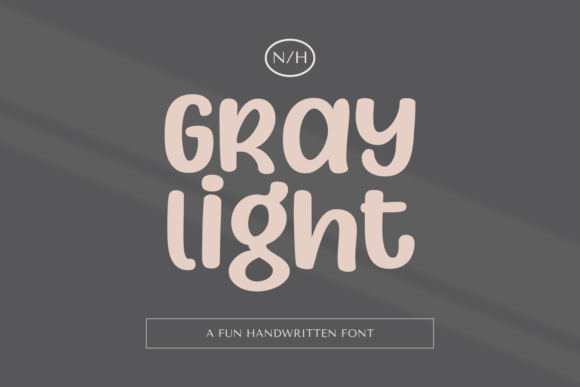
At its core, Gray Light is a brushed display font. This classification means it was designed primarily for headlines, titles, and short bursts of text rather than long-form body copy. The "brushed" aspect refers to the simulation of ink applied with a soft brush, resulting in varied stroke widths and textured edges. These features give the font a tactile quality, reminiscent of traditional calligraphy but with a modern, casual twist.
The "friendly" nature of Gray Light comes from its rounded terminals and open counters. These design choices reduce visual tension, making the text feel approachable and inviting. For Instagram users and social media managers, this is a critical attribute. In a feed dominated by polished, high-contrast imagery, a font that feels handmade can stop the scroll by offering a sense of authenticity. Whether used for quote graphics, story overlays, or profile highlights, Gray Light turns simple text into a piece of art without requiring advanced graphic design skills.
Comparing Gray Light to Other Typographic Categories
To make an informed decision about using Gray Light, it is helpful to compare it against other common font categories. Understanding these differences clarifies where Gray Light fits best in your design toolkit.
- Vs. Traditional Calligraphy Scripts: Traditional scripts often feature complex ligatures and strict baseline rules. They can be difficult to read at smaller sizes or on low-resolution screens. Gray Light, while inspired by calligraphy, simplifies these forms. It offers the elegance of script without the legibility issues, making it more versatile for digital platforms where clarity is paramount.
- Vs. Clean Sans-Serif Fonts: Sans-serifs like Helvetica or Arial are the workhorses of corporate design. They are neutral and efficient but can feel cold or impersonal. Gray Light provides a stark contrast to this neutrality. If your goal is to convey professionalism and data-driven authority, a sans-serif is likely better. However, if you aim to connect emotionally with your audience, Gray Light’s organic texture creates a stronger human connection.
- Vs. Heavy Bold Display Fonts: Some display fonts rely on extreme weight and geometric shapes to grab attention. While effective for shouting a message, they can overwhelm delicate designs. Gray Light strikes a middle ground. It has enough presence to stand out as a headline but retains a lightness that allows it to coexist with photography and illustrations without dominating the composition.
Best-Fit Use Cases for Gray Light
Identifying the right context for Gray Light ensures that your design efforts yield the desired impact. Based on its characteristics, several scenarios stand out as ideal applications for this typeface.
Social Media and Digital Content
Instagram, Pinterest, and TikTok thrive on visual storytelling. Gray Light is particularly well-suited for these platforms because it mimics the aesthetic of handwritten notes or journal entries. When creating quote cards, event announcements, or promotional banners, the font adds a layer of personal touch. It suggests that a human being crafted the message, which can increase engagement and trust among followers.
DIY Projects and Printables
For hobbyists involved in DIY crafts, Gray Light is a valuable resource. Its brushed style translates well to various physical mediums. Whether you are designing custom wedding invitations, creating labels for homemade jams, or printing decals for home decor, the font’s organic lines look natural when printed or cut. It avoids the sterile look of standard computer fonts, giving handmade items a professional yet artisanal finish.
Lifestyle and Wellness Branding
Brands in the wellness, yoga, organic food, or lifestyle sectors often seek to project calmness, authenticity, and approachability. Gray Light aligns perfectly with these brand values. Using it for logos, packaging headers, or website banners can reinforce a brand’s identity as grounded and human-centric. It works especially well when paired with earthy color palettes and natural imagery.
Limitations and Tradeoffs to Consider
While Gray Light is versatile, it is not a universal solution. Recognizing its limitations is crucial for maintaining design integrity.
Legibility at Small Sizes: As a display font, Gray Light loses detail when scaled down. The textured edges that give it character can become blurry or indistinct in small point sizes. Therefore, it should never be used for body text, legal disclaimers, or detailed instructions. Reserve it for headlines, subheaders, and short captions where it can be viewed clearly.
Contextual Appropriateness: The casual, friendly vibe of Gray Light may clash with formal or serious contexts. For legal documents, financial reports, or high-end luxury brands that rely on exclusivity and minimalism, a more structured typeface might be more appropriate. Using a playful brush font in a serious context can undermine the perceived credibility of the message.
Pairing Challenges: Because Gray Light has strong personality, pairing it with other decorative fonts can create visual chaos. It requires a neutral partner. When combining fonts, choose a clean, simple sans-serif for supporting text. This contrast allows Gray Light to shine as the focal point while ensuring the overall design remains balanced and readable.
Making the Decision: Is Gray Light Right for You?
Choosing a font is ultimately about alignment with your goals. Ask yourself the following questions to determine if Gray Light is the right choice for your current project:
- What is the emotional tone? If you want to feel warm, inviting, and creative, Gray Light is a strong candidate. If you need to feel authoritative, technical, or urgent, consider other options.
- Where will it be displayed? If the primary medium is digital social media or large-format print, Gray Light will perform well. If it needs to be read in small print or on low-quality printers, test it thoroughly first.
- Who is the audience? Audiences aged 20–50, particularly those interested in lifestyle, creativity, and personal development, tend to respond positively to the authentic aesthetic of brushed fonts. If your audience is strictly corporate or academic, this style may not resonate.
Ultimately, Gray Light serves as a bridge between professional design and personal expression. It offers the polish needed for commercial projects while retaining the charm of hand-lettering. By understanding its strengths and respecting its limitations, you can leverage this font to enhance your creative output effectively. Whether you are curating an Instagram feed or designing a heartfelt invitation, Gray Light provides the tools to turn your ideas into visually engaging art.