Hardbeat: Urban Style for Modern Design
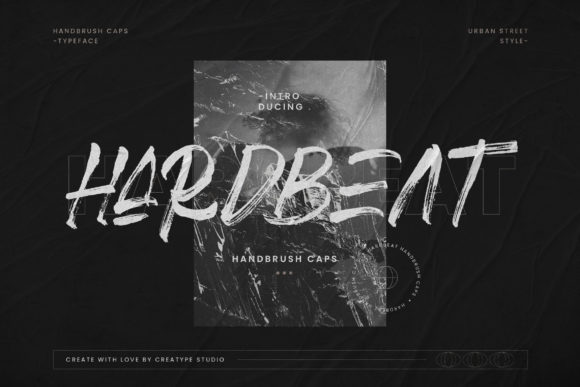
Typography is often the unsung hero of visual communication. It sets the mood before a single word is read, establishing tone, authority, and personality. In a digital landscape saturated with clean sans-serifs and traditional serifs, finding a typeface that cuts through the noise requires something with distinct character. This is where Hardbeat enters the conversation. As a cool, brushed, urban-styled display font, it offers a unique blend of raw energy and structured design. It is not merely a tool for writing; it is a statement piece for your creative projects.
Whether you are a seasoned graphic designer looking for the next trend or a small business owner trying to make your brand stand out, understanding the utility and aesthetic of Hardbeat can transform your approach to layout and branding. Its versatility lies in its ability to feel both handmade and professional, bridging the gap between casual creativity and polished execution.
Understanding the Aesthetic of Hardbeat
At its core, Hardbeat is defined by its texture and attitude. The "brushed" aspect refers to the visible stroke variations that mimic the movement of a paintbrush or marker, giving each letterform a dynamic, organic feel. However, unlike messy hand-lettering that can be difficult to read, Hardbeat maintains a strong structural integrity. It is a display font, meaning it is designed to be used at larger sizes for headlines, logos, and short bursts of text rather than long paragraphs.
The "urban" descriptor is key to its appeal. It evokes the grit and vibrancy of street art, skate culture, and modern city life. This makes it particularly effective for projects that aim to feel contemporary, edgy, or youthful. Yet, because it is carefully crafted, it avoids looking amateurish. For designers, this balance is crucial. It provides the illusion of spontaneity while offering the reliability of a digital font file.
Why Creators and Marketers Choose Hardbeat
For marketers and content creators, the primary challenge is often attention retention. In social media feeds and advertising banners, you have mere seconds to capture interest. Hardbeat serves as a visual hook. Its bold strokes and unique texture draw the eye immediately. When used in promotional graphics, it signals that the content is fresh and relevant.
Consider a freelance marketer working on a campaign for a new energy drink or a streetwear brand. Using a standard corporate font might feel disconnected from the product’s identity. By integrating Hardbeat, the marketer aligns the visual language with the target audience’s lifestyle. The font does the heavy lifting of conveying "cool" without needing excessive graphical elements. This efficiency allows for cleaner designs that communicate quickly and effectively.
Moreover, the flexibility of Hardbeat allows it to adapt to various color palettes. It works equally well in stark black and white for a minimalist look or in vibrant neon colors for a high-energy vibe. This adaptability makes it a valuable asset in a creator’s toolkit, reducing the need to search for multiple niche fonts for different campaigns.
Practical Applications for Entrepreneurs and Small Businesses
Small business owners often operate with limited resources, making every design decision critical. Branding consistency is vital for building trust and recognition. Hardbeat can serve as a cornerstone for a brand’s visual identity, particularly for businesses in the hospitality, fitness, or retail sectors.
- Cafés and Breweries: A local coffee shop might use Hardbeat for its menu boards or window decals to convey an artisanal, handcrafted vibe.
- Fitness Studios: Gyms and yoga studios can utilize the font for motivational posters or class schedules to project energy and strength.
- Boutique Retail: Clothing stores can employ Hardbeat in sale signage or packaging to create a sense of exclusivity and trendiness.
For entrepreneurs, the ease of use is a significant factor. Hardbeat is designed to be plug-and-play. You do not need advanced illustration skills to make it look good. Simply typing out your headline gives you a professional result. This lowers the barrier to entry for business owners who manage their own marketing, allowing them to produce high-quality materials without hiring expensive agencies for every minor update.
Educators and Hobbyists: Adding Flair to Personal Projects
Not all uses of typography are commercial. Educators and hobbyists also benefit from accessible, stylish fonts. Teachers creating engaging classroom materials or workshop leaders designing certificates can use Hardbeat to make their documents more visually appealing. It breaks the monotony of standard academic fonts, making learning materials feel more approachable and fun.
For hobbyists, such as those involved in scrapbooking, zine making, or personal blogging, Hardbeat offers a way to express individuality. In the world of DIY publishing, the aesthetic of the text is part of the art. The brushed style of Hardbeat complements hand-drawn illustrations and collage elements, creating a cohesive mixed-media look. It allows amateurs to achieve a polished, editorial look in their personal projects, enhancing the pride and satisfaction derived from their creative efforts.
Evaluating Hardbeat for Your Needs
Before committing to any typeface, it is essential to evaluate whether it aligns with your specific goals. Here are some considerations to help you decide if Hardbeat is the right choice for your project:
- Readability: Since Hardbeat is a display font, it is best suited for headlines and short phrases. Avoid using it for body text or long paragraphs, as the intricate brush strokes can become fatiguing to read at small sizes.
- Brand Alignment: Does your brand or project benefit from an urban, energetic, or casual tone? If you are aiming for a classic, formal, or corporate image, Hardbeat may clash with your objectives. It thrives in environments that value authenticity and modernity.
- Pairing Potential: Consider how Hardbeat will interact with other fonts in your design. It pairs beautifully with clean, simple sans-serif fonts for body copy. This contrast ensures that the headline stands out while the supporting text remains legible and neutral.
- Medium and Scale: Hardbeat shines in large formats. Think billboards, website headers, t-shirt prints, and poster titles. Its details are best appreciated when given space to breathe. Ensure your intended application allows for sufficient size and resolution.
Maximizing Impact with Design Best Practices
To get the most out of Hardbeat, consider these practical tips for implementation. First, pay attention to spacing. Display fonts often require adjusted kerning (the space between characters) to ensure optimal visual balance. Depending on the specific letters used, you may need to tighten or loosen the spacing to create a cohesive unit.
Second, experiment with layering. Because of its textured nature, Hardbeat looks fantastic when overlaid on photographic backgrounds or geometric shapes. Try placing it over a gritty urban photo or a solid color block to enhance its impact. The contrast between the rough edges of the font and the smoothness of the background can create a compelling visual tension.
Finally, do not be afraid to mix weights and styles if the font family offers variations. Using a bolder weight for the primary message and a lighter weight for secondary information can create a clear hierarchy within your design. This guides the viewer’s eye through the content in a logical and engaging manner.
In conclusion, Hardbeat is more than just a font; it is a design solution for those seeking to infuse their work with personality and urban flair. By understanding its strengths and limitations, you can leverage its unique characteristics to elevate your projects, whether you are a professional designer, a business owner, or a creative enthusiast. Add it to your casual design ideas, and you will likely find that the final results not only meet but exceed your expectations.