Mastering Visual Impact with the Rough Neck Display Font
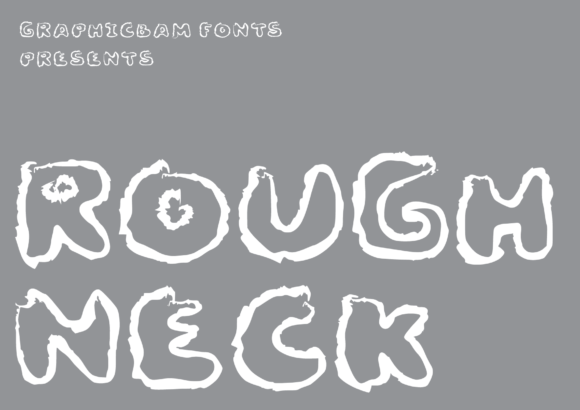
In the expansive universe of typography, where precision often reigns supreme, there exists a compelling niche for designs that embrace imperfection. Designers and brand strategists are increasingly turning away from sterile, geometric perfection in favor of typefaces that convey personality, energy, and human touch. At the forefront of this textured movement is Rough Neck, a fun yet rough-looking display font created with uneven brushed strokes. This typeface does not merely communicate words; it communicates attitude. By integrating this unique font into your design toolkit, you add a playful and cool touch to your projects, bridging the gap between professional polish and raw, artistic expression.
The Aesthetic Philosophy of Uneven Brushed Strokes
To understand the power of Rough Neck, one must first appreciate the aesthetic philosophy behind uneven brushed strokes. Traditional digital fonts are engineered for consistency. Every letter "A" is identical to the next, ensuring readability but often sacrificing character. In contrast, brush-style typography mimics the physical act of painting or writing with a coarse tool. The ink bleeds, the bristles split, and the pressure varies. Rough Neck captures this organic chaos digitally. The unevenness is not a flaw; it is the feature. It suggests movement, urgency, and authenticity.
This visual texture triggers a psychological response in the viewer. Smooth, sans-serif fonts are often perceived as corporate, safe, and modern. However, a font like Rough Neck feels handmade. It evokes memories of street art, vintage signage, and grassroots movements. For brands and creators aiming to establish a connection based on trust and relatability, this "rough" appearance can be more effective than pristine clarity. It signals that there is a human behind the message, someone who is not afraid to get their hands dirty to get the job done.
Strategic Applications in Modern Branding
The versatility of Rough Neck allows it to transcend specific industries, though it shines brightest in sectors that value boldness and approachability. When considering where to implement this typeface, think about the emotional tone you wish to set. Here are several key areas where this font excels:
- Breweries and Craft Food Brands: The artisanal nature of craft beer and small-batch foods pairs perfectly with the handmade feel of Rough Neck. It suggests traditional methods and high-quality ingredients without pretension.
- Adventure and Outdoor Gear: Brands associated with hiking, camping, or extreme sports benefit from the rugged durability implied by the font’s name and appearance. It looks like it can withstand the elements.
- Music and Entertainment Posters: For rock concerts, indie film festivals, or comedy shows, the font adds a layer of excitement and unpredictability. It grabs attention in a crowded visual landscape.
- Streetwear and Fashion Labels: Urban fashion often draws inspiration from graffiti and subculture aesthetics. Rough Neck provides an edgy, contemporary look that appeals to younger demographics seeking authenticity.
When using Rough Neck in branding, it is crucial to balance its loud personality with simpler supporting elements. Because the font is a display typeface, it is designed for headlines, logos, and short bursts of text. Pairing it with a clean, minimal sans-serif for body copy creates a dynamic contrast that enhances readability while maintaining the desired vibe.
Enhancing Digital and Print Media
Beyond static branding, Rough Neck offers significant advantages in both digital and print media campaigns. In web design, large hero sections featuring this font can immediately establish the site's tone. However, designers must be mindful of loading times and rendering quality. Since the font relies on textured details, ensuring high-resolution assets is vital to prevent the "rough" look from appearing pixelated or muddy on high-density screens.
In print media, the tactile quality of Rough Neck can be further amplified through printing techniques. Consider using spot UV coating, embossing, or textured paper stocks. When the visual roughness of the font is matched by the physical texture of the material, the result is a multi-sensory experience that leaves a lasting impression. For example, a flyer for a local music event printed on recycled, coarse paper with Rough Neck headers feels cohesive and intentional. The medium reinforces the message.
Considerations for Legibility and Accessibility
While the artistic merit of Rough Neck is undeniable, practical considerations regarding legibility must not be overlooked. Display fonts are inherently less readable than text fonts, especially at smaller sizes. The uneven brushed strokes that give the font its charm can also create visual noise if not managed correctly. To maintain accessibility and user experience, adhere to the following guidelines:
- Size Matters: Never use Rough Neck for body text or long paragraphs. Reserve it for headings, titles, and call-to-action buttons where the text is large enough for the details to be appreciated without straining the eye.
- Contrast is Key: Ensure high contrast between the text color and the background. A dark, textured font on a busy, patterned background will become illegible. Solid, light backgrounds work best to let the rough edges stand out.
- Spacing and Kerning: Adjust the tracking (letter spacing) to allow the characters to breathe. Because the strokes are irregular, tight spacing can cause the letters to visually collide, creating a cluttered appearance.
By respecting these limitations, you ensure that your design remains inclusive and functional while still leveraging the unique aesthetic appeal of the font.
The Psychology of Playfulness in Professional Design
There is a common misconception that "fun" and "professional" are mutually exclusive. However, modern marketing trends suggest otherwise. Consumers, particularly Millennials and Gen Z, are drawn to brands that do not take themselves too seriously. They value transparency and humor. Using a font like Rough Neck signals that a business is approachable and confident. It breaks down the formal barriers often associated with corporate communication.
This playful element can be strategically used to soften serious messages. For instance, a financial startup might use clean, trustworthy fonts for their data tables but employ Rough Neck for their marketing slogans to appear more relatable and less intimidating. It adds a human element to otherwise dry subjects. The key is moderation. The font should serve as a spice, not the main course. When used sparingly, it highlights important information and injects personality into the narrative.
Implementation Workflow for Designers
Integrating Rough Neck into your workflow requires a shift in mindset from rigid grid systems to more fluid, compositional approaches. Here is a suggested workflow for maximizing the impact of this typeface:
First, define the core message. What emotion are you trying to evoke? If the answer involves energy, rebellion, creativity, or fun, Rough Neck is a strong candidate. Next, sketch your layout with the font in mind. Allow the irregular shapes of the letters to influence the surrounding white space. Do not force the text into a rigid box; let it dictate the flow of the design.
During the refinement phase, experiment with color. While black and white offer classic contrast, Rough Neck also performs well with vibrant, saturated colors that pop against neutral backgrounds. Consider using gradient overlays within the text itself to add depth to the brushed strokes. Finally, test your design across various devices and print proofs. Ensure that the "rough" details translate effectively across different mediums and do not lose their integrity in compression or low-resolution outputs.
Conclusion: Embracing Imperfection
In a digital world saturated with polished, algorithmically perfect imagery, there is a growing hunger for authenticity. Rough Neck answers this call by offering a typographic solution that celebrates imperfection. It is a tool for storytellers who want their visuals to speak as loudly as their words. Whether you are designing a label for a new craft soda, a poster for an underground art show, or a social media campaign for a lifestyle brand, this font provides the necessary edge to stand out.
By understanding the characteristics, advantages, and proper applications of Rough Neck, designers can elevate their work from mere communication to genuine engagement. It reminds us that design is not just about order and symmetry; it is also about rhythm, texture, and soul. As you continue to explore the possibilities of display typography, let the uneven brushed strokes of Rough Neck inspire you to break the rules and create something truly memorable.