Oatmeal Font: A Guide to Playful Typography
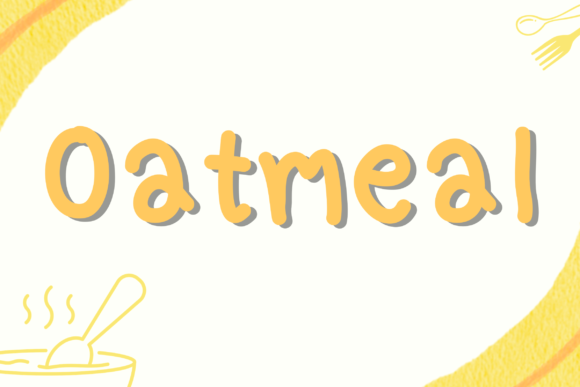
In the vast landscape of digital typography, finding a typeface that balances whimsy with legibility can feel like searching for a needle in a haystack. Designers often face a dilemma: choose a font that is fun but unreadable, or one that is clean but devoid of personality. Enter Oatmeal, a handwritten font that manages to bridge this gap with surprising elegance. Described as cute, dainty, and paint-brushed, this typeface offers a unique aesthetic that appeals to creators looking to inject warmth and humanity into their visual projects.
Whether you are a seasoned graphic designer, a small business owner crafting your brand identity, or an educator creating engaging materials, understanding the nuances of Oatmeal can significantly enhance your design toolkit. This article explores why this specific font has gained traction among creatives and how you can leverage its distinct characteristics for maximum impact.
The Aesthetic Appeal of Handwritten Type
Handwritten fonts have surged in popularity over the last decade, driven by a cultural shift towards authenticity and personal connection. In an era dominated by sleek, corporate sans-serifs, a font like Oatmeal stands out because it feels human. The "paint brushed" quality implies texture and movement, suggesting that a real hand guided the creation of each letter. This organic feel is crucial for brands and projects that want to appear approachable rather than institutional.
The term "dainty" is particularly relevant here. It suggests refinement and delicacy, distinguishing Oatmeal from bolder, more aggressive brush scripts. This subtlety makes it versatile. It does not shout for attention; instead, it invites the viewer in. For professionals in marketing and branding, this is a powerful tool. It allows for communication that feels intimate and curated, fostering a sense of trust and familiarity with the audience.
Key Characteristics and Strengths
To effectively utilize Oatmeal, one must understand its structural DNA. Here are the core attributes that define its utility:
- Organic Texture: The paint-brushed edges provide a tactile quality that flat digital fonts lack, adding depth to two-dimensional designs.
- High Legibility: Despite its decorative nature, the letterforms remain distinct and easy to read, which is rare for many handwritten styles.
- Versatile Weight: The strokes are balanced—not too thick to appear heavy, nor too thin to disappear on busy backgrounds.
- Playful Yet Professional: It strikes a balance between childish whimsy and adult sophistication, making it suitable for a broader age range than typical "cartoon" fonts.
These strengths make Oatmeal a reliable choice for projects where tone is critical. It avoids the pitfalls of overly casual scripts that can undermine credibility, while still maintaining a friendly demeanor.
Practical Applications Across Industries
The versatility of Oatmeal allows it to shine in various contexts. Below are several real-world scenarios where this font adds tangible value.
Branding and Identity
For startups in the lifestyle, wellness, or artisanal food sectors, brand identity is everything. Oatmeal works exceptionally well for logos and taglines. Imagine a boutique bakery or a handmade soap company; the font’s dainty nature complements products that are crafted with care. It signals to the consumer that the brand values aesthetics and personal touch. When used in brand names, it creates a memorable visual hook that differentiates the business from competitors using generic corporate typography.
Educational and Children’s Content
While the font is sophisticated enough for adult audiences, its "cute" origin makes it perfect for children’s games and educational materials. Teachers and publishers can use Oatmeal for worksheet titles, storybook covers, or classroom posters. The friendly appearance reduces anxiety around learning, making educational content feel less like a chore and more like an adventure. However, it is important to note that for body text in long-form educational readings, a simpler sans-serif might be preferable to reduce eye strain, reserving Oatmeal for headers and highlights.
Digital Media and Social Marketing
In the fast-paced world of social media, stopping the scroll is essential. Quotes and inspirational graphics perform well when they feel personal. Using Oatmeal for quote overlays on Instagram or Pinterest adds a layer of intimacy. It feels like a note from a friend rather than a corporate advertisement. Bloggers and content creators can also use it for pull quotes within articles to break up text and add visual interest, enhancing the overall user experience.
Packaging and Print Design
On physical products, typography influences perceived value. Oatmeal is an excellent choice for packaging labels, especially for limited-edition runs or artisanal goods. Its paint-brushed style mimics the look of hand-labeling, which consumers often associate with higher quality and exclusivity. Whether on a candle jar, a coffee bag, or a book cover, the font adds a layer of artistic merit that elevates the product’s presentation.
Best Practices for Implementation
While Oatmeal is a robust typeface, improper use can diminish its effectiveness. To ensure optimal results, consider the following guidelines:
- Pairing is Key: Because Oatmeal has strong personality, pair it with a neutral, clean sans-serif or serif for body text. This contrast ensures readability while allowing the headline font to shine. Avoid pairing it with other decorative fonts, as this creates visual clutter.
- Mind the Scale: This font works best at larger sizes. Using it for small print or dense paragraphs may compromise legibility due to the intricate brush details. Reserve it for titles, subtitles, and short phrases.
- Color Contrast: The dainty strokes can get lost against busy backgrounds. Ensure high contrast between the font color and the background. Solid, pastel, or muted tones often complement the soft nature of the font better than neon or highly saturated colors.
- Whitespace Matters: Give the letters room to breathe. Crowding Oatmeal with other design elements can make it feel cramped and lose its airy, delicate charm. Adequate whitespace enhances its elegance.
Enhancing User Engagement Through Typography
Ultimately, the choice of font is a strategic decision that impacts user engagement. Oatmeal contributes to a positive user experience by setting a welcoming tone. In web design, using this font for hero sections or call-to-action buttons can soften the interface, making users feel more comfortable exploring the site. For entrepreneurs and marketers, this subtle psychological cue can lead to longer session durations and higher conversion rates, as users perceive the brand as more relatable and trustworthy.
Furthermore, in the context of accessibility, while decorative fonts should be used sparingly, Oatmeal’s clear letterforms make it more accessible than many other script fonts. When used appropriately for headings, it aids in visual hierarchy, helping users scan content more efficiently.
Final Thoughts on Choosing Oatmeal
Selecting the right typeface is about more than just aesthetics; it is about communication. Oatmeal offers a unique blend of playfulness and professionalism that is hard to find. Its ability to adapt to various mediums—from digital screens to printed packaging—makes it a valuable asset for any creative professional. By understanding its strengths and applying it with intention, you can create designs that not only look beautiful but also resonate deeply with your audience. Whether you are designing a children’s book or launching a new brand, consider how the dainty, paint-brushed charm of Oatmeal can bring your vision to life.