Rhinestone: The Trendy Brushed Font
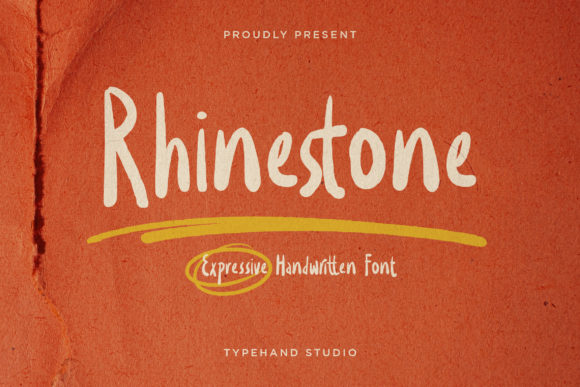
In the crowded landscape of digital typography, finding a typeface that balances personality with readability is often a challenge for creators. Enter Rhinestone, a relaxed and trendy paint-brushed handwritten font that has quickly become a favorite among designers who value authenticity. Unlike rigid serif or sans-serif options, Rhinestone brings a human touch to digital screens and printed materials alike. It is expertly designed to make your creation look out of this world, offering a visual warmth that feels both modern and approachable.
This font is not just about aesthetics; it is a tool for communication. Whether you are a small business owner crafting a brand identity, a blogger designing headers, or a marketer creating social media graphics, Rhinestone provides the versatility needed to stand out. Its brush-stroke texture mimics the natural flow of ink on paper, creating an immediate emotional connection with the viewer. This article explores how you can leverage this unique typeface to elevate your projects, ensuring your message is not only seen but felt.
Understanding the Aesthetic Appeal
The core strength of Rhinestone lies in its "relaxed" nature. In design psychology, handwritten fonts are often associated with creativity, informality, and trust. They break down the barrier between the brand and the consumer, suggesting a personal touch rather than a corporate mandate. Rhinestone captures this sentiment perfectly. The varying thickness of the strokes and the slight irregularities in the letterforms prevent it from looking mechanical or sterile.
However, being "relaxed" does not mean being messy. Rhinestone is structured enough to remain legible at various sizes, which is a critical factor for practical application. Many brush fonts suffer from poor kerning or overly complex ligatures that confuse the reader. Rhinestone avoids these pitfalls by maintaining clear character distinction while preserving the organic feel of hand-lettering. This balance makes it an excellent choice for projects where you need to convey friendliness without sacrificing professionalism.
Practical Applications for Designers and Marketers
For marketing professionals and graphic designers, the utility of a font is measured by its adaptability. Rhinestone shines in contexts where attention-grabbing headlines are required. Here are several high-impact ways to integrate this typeface into your workflow:
- Social Media Graphics: Platforms like Instagram and Pinterest thrive on visual appeal. Using Rhinestone for quote overlays, promotional announcements, or story highlights can increase engagement. Its trendy look aligns well with current lifestyle and wellness aesthetics.
- Packaging Design: For artisanal products, such as handmade soaps, organic foods, or craft beverages, Rhinestone adds a premium, handcrafted feel. It suggests that care and attention went into the product, just as care went into the lettering.
- Wedding and Event Invitations: The romantic and fluid nature of the brush strokes makes it ideal for formal yet personal events. It pairs beautifully with minimalist layouts, allowing the typography to serve as the primary decorative element.
- Blog Headers and E-books: Digital publishers can use Rhinestone to break up text-heavy pages. Using it for chapter titles or pull quotes creates visual rhythm and keeps the reader engaged.
When using Rhinestone in these contexts, remember that less is often more. Because the font has strong personality, it works best when given space to breathe. Avoid cluttering the design with too many other decorative elements. Let the typography do the heavy lifting.
Pairing Strategies for Visual Harmony
One of the most common mistakes creators make is pairing a expressive handwritten font with another decorative typeface. This leads to visual chaos and reduces readability. To keep your designs clear and effective, you should pair Rhinestone with neutral, structured fonts. This contrast creates a hierarchy that guides the eye naturally.
A classic combination is Rhinestone with a clean sans-serif font. The geometric simplicity of fonts like Montserrat, Lato, or Open Sans provides a stable foundation for the playful energy of Rhinestone. Use the sans-serif for body text and secondary information, while reserving Rhinestone for headlines and key calls to action. This approach ensures that your content remains accessible while still retaining its creative flair.
Alternatively, for a more traditional or editorial look, you might pair it with a subtle serif font. This works particularly well for lifestyle blogs or boutique branding where a touch of elegance is desired. The key is to ensure that the secondary font does not compete for attention. It should support Rhinestone, not overshadow it.
Tips for Entrepreneurs and Small Business Owners
If you are an entrepreneur building a brand from the ground up, consistency is vital. Rhinestone can serve as a cornerstone of your visual identity, but it must be used consistently to build recognition. Define specific rules for how and where you use the font. For example, decide that Rhinestone will always be used for your logo tagline or section headers, but never for long paragraphs of text.
Color also plays a significant role in how Rhinestone is perceived. While black on white is standard, experimenting with color can enhance its mood. Soft pastels can make it feel gentle and nurturing, suitable for childcare or wellness brands. Bold, saturated colors can make it feel energetic and youthful, ideal for fitness or tech startups targeting a younger demographic. Always test your color combinations to ensure sufficient contrast for accessibility standards.
Maintaining Readability Across Platforms
As you deploy Rhinestone across different mediums, from mobile screens to large-format prints, monitor its legibility. On smaller mobile devices, intricate brush details can sometimes blur or disappear. In these cases, consider increasing the font size or using a bolder weight if available. For print materials, ensure you are using high-resolution vector files to maintain the crispness of the brush edges. Pixelated edges can detract from the professional quality of the design.
Unlocking Creative Potential
Beyond standard usage, Rhinestone invites experimentation. Because it mimics handwriting, it lends itself well to custom modifications. Designers might choose to add simple graphical elements, such as underlines, circles, or arrows, drawn in a similar brush style to create a cohesive look. These annotations can guide the viewer’s eye to specific parts of a message, adding an interactive layer to static designs.
Educators and content creators can also use Rhinestone to make learning materials more engaging. Worksheets, presentation slides, and educational infographics benefit from the friendly tone of handwritten fonts. It reduces the intimidation factor of dense information, making complex topics feel more approachable to students and audiences alike.
Ultimately, the value of Rhinestone lies in its ability to humanize digital content. In an era where automation and AI-generated content are becoming ubiquitous, the imperfection of a brush font serves as a reminder of human creativity. It signals that there is a person behind the brand, a thinker behind the blog post, and an artist behind the product. By integrating this font into your toolkit, you are not just choosing a style; you are choosing a way to connect more authentically with your audience.
Whether you are refining a logo, designing a campaign, or simply adding a personal touch to a hobby project, Rhinestone offers the flexibility and charm needed to make your work resonate. Embrace its relaxed vibe, respect its limitations, and let it bring a sense of warmth and originality to your creative endeavors.