Why Rustty Is the Perfect Vintage Handwritten Font for Modern Branding
In an era dominated by sleek, minimalist digital interfaces and sterile corporate aesthetics, there is a growing counter-movement toward authenticity. Consumers are increasingly drawn to brands that feel human, tactile, and grounded. This shift has revitalized the demand for design elements that convey warmth and personality, placing vintage styled fonts at the forefront of contemporary visual identity strategies. Among these, Rustty stands out as a compelling choice for creators who wish to bridge the gap between nostalgic charm and modern functionality.
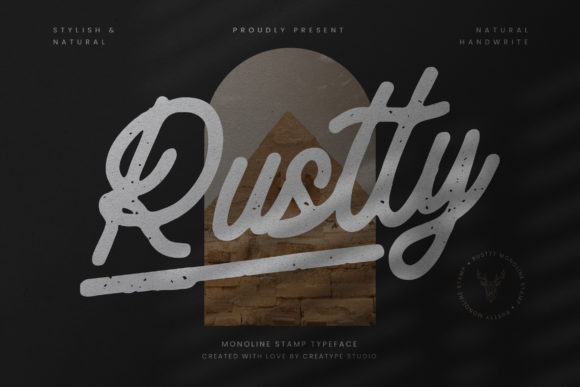
Rustty is not merely a typeface; it is a design tool that captures the imperfect beauty of hand-painted signage from a bygone era. As a paint brushed handwritten font, it offers the organic texture and irregularity that digital perfection often lacks. For professionals ranging from graphic designers to small business owners, understanding how to leverage such typography can significantly enhance brand resonance. This article explores why Rustty is becoming a staple in creative workflows, how its technical features support efficient design processes, and where it fits within the broader landscape of current branding trends.
The Resurgence of Authenticity in Visual Identity
The last decade saw a surge in ultra-clean, sans-serif typography across tech and lifestyle sectors. While effective for clarity, this homogenization led to a "sea of sameness," where brands struggled to distinguish themselves visually. Today, the pendulum is swinging back. Audiences, particularly millennials and Gen Z, value transparency and human connection. They respond positively to designs that appear crafted rather than generated.
This is where handwritten fonts like Rustty play a crucial role. They inject soul into static designs. Whether used for a coffee shop logo, a boutique clothing label, or an inspirational quote on social media, the brushstroke effect mimics the human hand. It suggests that there is a person behind the product, not just an algorithm. Rustty’s vintage aesthetic taps into a sense of nostalgia, evoking memories of old storefronts, artisanal markets, and hand-lettered posters. This emotional connection is powerful, turning passive viewers into engaged customers.
Moreover, the versatility of Rustty allows it to adapt to various industries. It is not limited to rustic or retro themes. When paired with modern sans-serifs or clean geometric shapes, Rustty provides a striking contrast that highlights key messages. This juxtaposition of old and new is a hallmark of sophisticated contemporary design, making Rustty a relevant choice for forward-thinking brands.
Technical Precision Meets Artistic Freedom
One of the common frustrations with decorative fonts is their lack of usability. Many handwritten typefaces suffer from poor kerning, limited character sets, or difficult access to special glyphs. Rustty addresses these pain points through thoughtful technical construction. Specifically, Rustty is PUA encoded. For those unfamiliar with typographic terminology, PUA (Private Use Area) encoding is a feature that allows designers to access all glyphs, swashes, and alternates directly through standard keyboard shortcuts or character maps, without needing specialized software plugins.
This technical detail has significant practical implications for workflow efficiency. Designers can easily swap out standard letters for decorative swashes to create unique logotypes. For instance, replacing a standard "R" with a flourished alternate can transform a generic wordmark into a custom-looking logo. This ease of access encourages experimentation. Instead of spending hours manually adjusting vectors in illustration software, creators can iterate quickly within their design programs, testing different combinations of glyphs to find the perfect balance.
The availability of diverse glyphs and swashes also ensures that no two projects look identical. In branding, uniqueness is paramount. Rustty’s extensive character set allows for a high degree of customization, enabling users to tailor the font to specific brand voices. Whether you need a playful bounce for a children’s product or a rugged edge for an outdoor gear company, the variations within Rustty provide the necessary tools to achieve the desired tone.
Practical Applications for Creators and Businesses
Understanding the aesthetic and technical merits of Rustty is only half the battle. The real value lies in its application. Here are several realistic scenarios where Rustty excels, offering tangible benefits to different types of users:
- Logo Design: For startups and small businesses, a logo needs to be memorable and scalable. Rustty’s bold brushstrokes remain legible even at smaller sizes, while its distinctive style ensures brand recognition. It is particularly effective for industries such as hospitality, crafts, and wellness, where a welcoming atmosphere is essential.
- Social Media Content: In the fast-paced world of Instagram and Pinterest, visuals must stop the scroll. Quotes and headlines set in Rustty stand out against photographic backgrounds. The textured edges of the font add depth to flat digital images, making posts more engaging and shareable.
- Packaging and Labeling: Product packaging is a critical touchpoint for consumer decision-making. A handwritten font on a label suggests artisanal quality and care. Rustty works beautifully on craft beer labels, organic food packaging, and handmade soap wrappers, reinforcing the narrative of natural, high-quality ingredients.
- Web and Digital Headers: While large blocks of body text are best served by highly readable sans-serifs, Rustty is ideal for hero sections, banners, and call-to-action buttons. It adds a focal point to web pages, guiding the user’s eye and breaking up monotony.
For freelancers and agencies, using a versatile font like Rustty can streamline client presentations. Its ability to work across both print and digital mediums means that brand identities remain consistent across all platforms. This consistency builds trust and professionalism, key components of successful brand strategy.
Navigating Trends Without Losing Timelessness
Design trends are cyclical. What is popular today may feel dated tomorrow. However, certain aesthetic principles endure. The appeal of handwriting is one such principle. It is rooted in fundamental human communication. Therefore, while Rustty aligns with the current trend toward vintage and artisanal styles, it is not merely a fleeting fad. Its design is grounded in classic letterforms, ensuring that it retains relevance beyond the current hype cycle.
To maximize the longevity of designs using Rustty, it is advisable to use it judiciously. Overuse of decorative fonts can lead to visual clutter and reduced readability. Best practices suggest using Rustty for headlines, logos, and short phrases, while pairing it with neutral, clean fonts for body text. This hierarchy ensures that the message is clear while still benefiting from the emotional impact of the handwritten style.
Additionally, context matters. Rustty may not be suitable for highly corporate, financial, or legal sectors where seriousness and authority are paramount. However, for any brand aiming to connect on a personal level, it offers a powerful visual language. Understanding your audience and brand values is key to determining if Rustty is the right fit.
Empowering Creativity Through Accessible Tools
The democratization of design tools has empowered non-designers to create professional-quality content. Fonts like Rustty play a vital role in this movement. By providing high-quality, easy-to-use typography, it lowers the barrier to entry for effective visual communication. Bloggers, educators, and small business owners can now produce materials that rival those of established agencies.
This accessibility fosters creativity. When tools are intuitive, users are more likely to experiment and develop their unique style. Rustty’s PUA encoding and comprehensive glyph set remove technical hurdles, allowing users to focus on the creative aspect of design. This shift is transforming how individuals and small teams approach branding, moving away from generic templates toward customized, meaningful visual identities.
In conclusion, Rustty represents more than just a font choice; it reflects a broader desire for authenticity and connection in our digital lives. Its vintage styled, paint brushed aesthetic offers a warm, human touch that resonates with modern audiences. Combined with its robust technical features, such as PUA encoding and extensive swashes, it provides a practical, versatile solution for a wide range of design needs. Whether you are crafting a new logo, designing social media content, or packaging a product, Rustty offers the tools to create eye-catching, memorable designs that stand out in a crowded marketplace. By embracing such thoughtful typography, creators and businesses can build stronger, more authentic connections with their audiences.