Zero One: Defining Modern Visual Identity with Bold, Brushed Typography
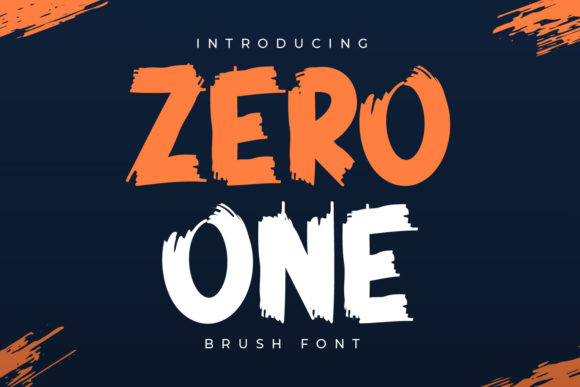
In the saturated landscape of digital and physical design, typography is no longer just a vessel for information; it is the primary driver of brand personality. Among the myriad of typefaces available to contemporary creators, Zero One has emerged as a distinctive choice for those seeking to merge raw energy with structural clarity. As a cool, bold, and brushed display font, it occupies a unique niche that bridges the gap between industrial precision and organic human touch. This duality makes it exceptionally relevant in an era where audiences crave authenticity but still expect professional polish.
The relevance of Zero One extends beyond its aesthetic appeal. It answers a growing demand in modern marketing and design workflows for fonts that can stand alone as graphic elements. In a world where attention spans are shrinking and visual noise is increasing, a typeface must do more than legibility—it must command presence. Zero One achieves this through its brushed textures and heavy weight, offering designers a tool that communicates strength, movement, and modernity without the need for excessive embellishment.
The Evolution of Display Typography in Branding
To understand why Zero One resonates with today’s creators, one must look at the broader shifts in typographic trends. For decades, corporate branding relied heavily on clean, sans-serif fonts that prioritized neutrality and scalability. While these typefaces remain essential for body text and user interfaces, they often lack the emotional punch required for headline graphics, apparel, and campaign visuals. The market has shifted toward "expressive utility"—fonts that are functional yet deeply characterful.
This shift is driven by changing consumer expectations. Modern audiences, particularly those in the 20–50 demographic, are adept at filtering out generic advertising. They respond to designs that feel curated and intentional. Brushed fonts, in particular, have seen a resurgence because they mimic the imperfection of hand-painted signs and street art. This analog quality creates a subconscious connection to craftsmanship and heritage, even when applied to high-tech products or digital services. Zero One capitalizes on this trend by offering a brushed style that feels contemporary rather than retro, avoiding the clichés of vintage script while retaining that human element.
Furthermore, the rise of direct-to-consumer brands and independent creators has democratized design. Entrepreneurs and freelancers are no longer bound by rigid corporate style guides. They have the freedom to experiment with bolder choices. Zero One fits seamlessly into this workflow, providing a ready-made visual identity that requires minimal adjustment to look professional. Its bold structure ensures it remains legible across various mediums, from small mobile screens to large-format outdoor advertisements.
Practical Applications Across Industries
The versatility of Zero One lies in its ability to adapt to diverse industries while maintaining a consistent tone of confidence. Its suitability for t-shirts, sportswear, logos, and advertisements is not merely a feature list but a reflection of its structural integrity. Let us explore how this font performs in specific contexts.
Sportswear and Athletic Apparel
In the realm of sportswear, typography must convey motion, strength, and endurance. Zero One’s bold strokes and brushed edges mimic the dynamic energy of athletic movement. When printed on performance fabrics, the font’s weight ensures it does not get lost in the texture of the material. Designers using Zero One for gym wear or team uniforms benefit from its aggressive yet clean lines, which align perfectly with the aesthetics of modern fitness culture. It suggests power without appearing bulky, a crucial balance for brands targeting health-conscious consumers.
Streetwear and Fashion
Fashion, particularly streetwear, thrives on exclusivity and attitude. Here, Zero One serves as a statement piece. The brushed effect adds a layer of grit and urban authenticity that resonates with younger demographics. Whether used on a hoodie back print or a limited-edition sneaker box, the font acts as a logo in itself. Its cool, understated vibe allows it to pair well with minimalist graphics or complex illustrations, making it a favorite among independent clothing labels looking to establish a strong visual voice without extensive budget for custom lettering.
Logos and Corporate Identity
For startups and tech companies, a logo needs to be memorable and scalable. Zero One offers a modern alternative to the overused geometric sans-serifs. Its distinct brush strokes provide immediate recognition, helping new brands differentiate themselves in crowded markets. When used in logos, it conveys innovation and forward-thinking. However, designers should note that due to its display nature, it is best utilized for logotypes or short brand names rather than complex taglines. This constraint encourages simplicity, which is often a hallmark of effective branding.
Advertising and Promotional Materials
In advertising, the goal is to capture attention within seconds. Zero One’s high contrast and bold presence make it ideal for headlines in digital ads, posters, and social media graphics. It cuts through visual clutter, ensuring the core message is read first. For marketers, this means higher engagement rates and clearer communication. The font’s ability to look good in both light and dark modes further enhances its utility in digital campaigns, where adaptability is key.
Integrating Zero One into Modern Design Workflows
Adopting Zero One into your design toolkit requires an understanding of its strengths and limitations. As a display font, it is not intended for long-form text. Its impact comes from brevity and size. Here are some practical recommendations for maximizing its potential:
- Hierarchy is Key: Use Zero One for headings, titles, and call-to-action buttons. Pair it with a neutral, highly legible sans-serif or serif font for body copy. This contrast creates a clear visual hierarchy that guides the reader’s eye.
- Color Contrast: The brushed texture of Zero One can sometimes lose definition if placed against busy backgrounds. Ensure sufficient contrast between the font color and the background. Solid colors or subtle gradients work best to highlight the brush details.
- Spacing and Kerning: Bold display fonts often require adjusted letter spacing to maintain readability. Experiment with tracking to find the sweet spot where the letters breathe but still feel connected as a cohesive unit.
- Contextual Appropriateness: While versatile, Zero One leans towards energetic, modern, and bold themes. It may not be suitable for traditional, conservative, or highly formal contexts such as legal documents or classical literature covers. Understand your audience’s expectations before deployment.
Moreover, the technical aspects of using Zero One should not be overlooked. Ensure you have the appropriate licenses for commercial use, especially when applying it to products like t-shirts and sportswear that will be sold retail. Proper licensing protects both the creator and the designer, fostering a sustainable ecosystem for typography development.
The Future of Expressive Typography
As we look forward, the trend toward expressive, character-driven typography shows no signs of slowing down. Users are increasingly expecting brands to have a distinct voice, and typography is the most immediate way to express that voice. Zero One represents a step in this direction, offering a blend of digital precision and analog warmth that reflects the hybrid nature of modern life.
Technology continues to evolve, with augmented reality and variable fonts opening new possibilities for interactive typography. While Zero One is currently a static display font, its design principles—boldness, texture, and clarity—are foundational for future typographic innovations. Designers who master the use of such expressive tools now will be better positioned to leverage emerging technologies later.
For professionals, entrepreneurs, and creators, the takeaway is clear: typography is a strategic asset. Choosing a font like Zero One is not just an aesthetic decision; it is a business decision. It signals confidence, modernity, and attention to detail. In a competitive market, these signals matter. They help build trust, attract attention, and ultimately drive engagement.
In conclusion, Zero One is more than just a cool, bold, and brushed display font. It is a versatile tool that meets the demands of contemporary design across multiple industries. From sportswear to digital advertising, its ability to convey strength and authenticity makes it a valuable addition to any creative portfolio. By understanding its applications and integrating it thoughtfully into design workflows, users can create impactful visuals that resonate with modern audiences. As design trends continue to evolve, the principles embodied by Zero One—clarity, character, and boldness—will remain essential for effective communication.