Bangke Font: A Guide to Textured Brushed Design
Choosing the right typeface is often the difference between a design that feels generic and one that captures immediate attention. In the world of graphic design, texture and personality are powerful tools. This is where Bangke enters the conversation. It is not just another sans-serif or serif option; it is a textured brushed display font that brings a distinct, hand-crafted energy to your work. With its rough edges and casual letterforms, it offers a visual language that speaks directly to audiences looking for authenticity and a cool, modern touch.
Understanding the Character of Bangke
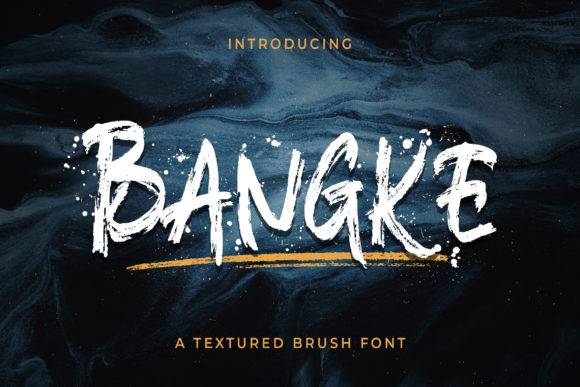
At its core, Bangke is designed to mimic the organic imperfections of a dry brush stroke. Unlike clean, digital fonts that rely on perfect geometric lines, this typeface embraces irregularity. The "brushed" aspect refers to the way the letters appear as if they were painted quickly with a stiff bristle brush, leaving behind subtle gaps, rough textures, and varying thicknesses within each stroke.
This aesthetic is intentional. It moves away from the corporate stiffness of traditional business fonts and leans into a more human, approachable vibe. When you use Bangke, you are signaling to your viewer that the brand or project is relaxed, creative, and confident enough to show some grit. The casual nature of the letters makes them feel accessible, while the textured details ensure they remain visually interesting even at larger sizes.
Why Texture Matters in Modern Branding
In an era where digital screens are dominated by sleek, minimalist interfaces, textured fonts provide a necessary contrast. They add depth and tactile quality to flat designs. For entrepreneurs and marketers, this is crucial. A logo or headline using Bangke stands out because it breaks the pattern of perfection. It suggests a story behind the brand—perhaps one rooted in craftsmanship, outdoor adventure, or artistic freedom.
The value of this font lies in its versatility within the "casual" spectrum. It is not so messy that it becomes unreadable, but it is not so polished that it loses its character. This balance makes it an excellent choice for projects that need to feel professional yet unpretentious.
Practical Applications for Creators and Businesses
One of the most common questions designers ask is, "Where does this fit?" Because Bangke is a display font, it is best used for headlines, titles, and short bursts of text rather than long paragraphs. Its strength is in making a bold first impression. Here are several realistic scenarios where this typeface shines:
- Logo Design: For startups in the lifestyle, coffee, or apparel industries, a logo using Bangke can instantly convey a hip, urban, or artisanal identity. It works particularly well for brands that want to avoid looking too corporate.
- Print Projects: Think of posters for music festivals, local markets, or art exhibitions. The rough texture of the font complements the vibrant, chaotic energy of such events. It also looks fantastic on packaging, such as craft beer labels or handmade soap wrappers, where a natural, organic feel is desired.
- Social Media Graphics: In the fast-scrolling environment of Instagram or Pinterest, eye-catching typography is key. Using Bangke for quote graphics or promotional banners can stop the scroll by offering a visual break from standard, clean fonts.
- Web Headers: While not ideal for body text, this font is perfect for hero sections on websites. A large, textured headline can set the tone for a portfolio site, a creative agency, or a personal blog focused on travel or DIY projects.
Pairing Bangke with Other Typefaces
To get the most out of Bangke, it is essential to pair it correctly. Since it is highly decorative and textured, it needs a supportive partner. The best practice is to combine it with a simple, clean sans-serif font for body text. For example, pairing the rough headlines of Bangke with a neutral font like Helvetica, Open Sans, or Lato creates a balanced hierarchy. The clean font ensures readability, while the brushed font provides the personality. Avoid pairing it with other decorative or script fonts, as this can create visual clutter and make the design feel chaotic.
Key Considerations Before You Start Designing
While Bangke is a powerful tool, it is not a one-size-fits-all solution. Understanding its limitations will help you use it more effectively. Here are some important factors to keep in mind:
- Readability at Small Sizes: Due to its textured and rough nature, the details of the letters can get lost when scaled down. Avoid using this font for small captions, footnotes, or any text below 14-16 points. It is strictly a display font, meant to be seen big and bold.
- Context Appropriateness: Consider the tone of your project. If you are designing for a law firm, a medical institution, or a high-end luxury bank, the casual and rough aesthetic of Bangke may undermine the sense of trust and stability those sectors require. It is best suited for creative, lifestyle, entertainment, and informal commercial contexts.
- Contrast and Backgrounds: The textured edges of the font can sometimes blend into busy backgrounds. To ensure the letters pop, use high-contrast color combinations. Dark text on a light background, or vice versa, works best. Avoid placing it over complex images unless you add a solid shape or overlay behind the text to separate it from the background noise.
Tips for Beginners Working with Brushed Fonts
If you are new to using textured typefaces like Bangke, start by experimenting with spacing. Brushed fonts often look better with slightly tighter letter-spacing (kerning) than standard fonts, as this helps maintain the connection between the rough strokes. However, be careful not to let the letters overlap too much, which can reduce legibility.
Another tip is to play with color. While black and white is classic, textured fonts often look incredible in muted, earthy tones or vibrant, contrasting hues. Don’t be afraid to test different color palettes to see how the texture interacts with the shade. Sometimes, a slight drop shadow or outer glow can help define the rough edges further, especially if the background is similar in tone to the text.
Final Thoughts on Adding a Cool Touch to Your Designs
Incorporating Bangke into your design toolkit is about more than just picking a font; it is about choosing a voice. It allows you to communicate warmth, creativity, and a relaxed confidence without saying a word. Whether you are a freelancer building a personal brand, a small business owner launching a new product, or a hobbyist creating invitations for a special event, this textured brushed display font offers a straightforward way to elevate your visual presence.
By understanding its characteristics and respecting its best-use cases, you can leverage the unique appeal of Bangke to create designs that resonate. Remember, the goal is to enhance your message, not overpower it. Use it strategically, pair it wisely, and let the rough, casual beauty of the letters do the heavy lifting in your next creative project.