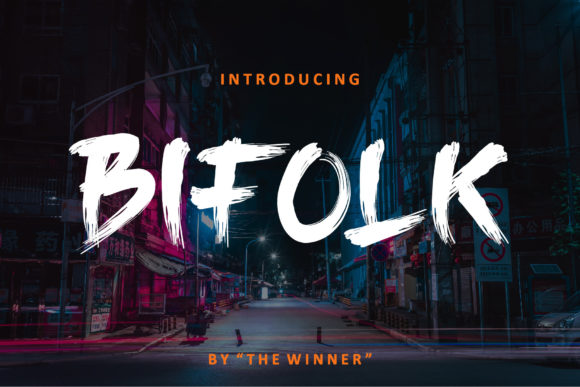
Bifolk: Bold Brushed Display Font for Creative Brands
There is a specific moment in the design process when a project feels flat. You have your colors, your layout grid, and your imagery, but the typography lacks soul. It sits on the page rather than speaking from it. This is often where designers turn to display typefaces that carry inherent personality. Bifolk enters this space not as a quiet background element, but as a confident statement. As a cool, bold brushed display font, it bridges the gap between structured professionalism and organic, hand-crafted energy.
For entrepreneurs, marketers, and independent creators, finding a typeface that stands out without sacrificing legibility is a constant challenge. Bifolk offers a solution by combining the raw texture of brush strokes with the stability of a well-constructed letterform. It is not just about aesthetics; it is about creating an immediate visual hook that resonates with audiences who value authenticity and modern craftsmanship.
The Visual Personality of Bifolk
To understand where Bifolk fits in your toolkit, you must first appreciate its visual DNA. Unlike traditional serif fonts that rely on sharp terminals and historical precedence, or clean sans serif fonts that prioritize neutrality, Bifolk leans into the expressive nature of a handwritten font. However, it avoids the messy unpredictability often associated with script styles. Instead, it offers a controlled chaos.
The "brushed" aspect refers to the simulated stroke variation you see in calligraphy, where pressure changes create thick and thin lines. In Bifolk, these variations are bold and pronounced. The edges are slightly irregular, mimicking the way ink bleeds into paper or how a dry brush skips across a textured surface. This gives the typeface a tactile quality. Even on a digital screen, it feels physical. This characteristic makes it an excellent choice for brands that want to convey approachability, creativity, and human touch.
Its personality is undeniably bold. It does not whisper. When used in logo design or headlines, it commands attention. Yet, because the underlying structure is solid, it never feels gimmicky. It strikes a balance that appeals to a wide demographic, from young startups looking to disrupt their industry to established craft businesses wanting to refresh their image with something contemporary yet grounded.
Strategic Applications Across Media
The versatility of a premium font like Bifolk lies in its ability to adapt to various mediums while maintaining its core identity. While it is classified as a display font, meaning it is optimized for larger sizes, its application extends far beyond simple posters.
- Brand Identity and Packaging: In packaging design, shelf presence is everything. Bifolk’s bold strokes ensure that product names pop against complex backgrounds or minimalist labels. Whether it is a craft coffee bag, a boutique skincare bottle, or an artisanal food label, the font adds a layer of perceived quality and care.
- Editorial and Print: For magazines, zines, or annual reports, using Bifolk for chapter titles or pull quotes creates a strong visual hierarchy. It breaks up blocks of text and guides the reader’s eye through the content. It pairs exceptionally well with neutral body copy, allowing the editorial design to feel dynamic without becoming chaotic.
- Digital Presence: In web design, large hero headers benefit from the unique character of Bifolk. It can define the tone of a landing page instantly. Similarly, for social media graphics, where users scroll quickly, the distinct shapes of the letters help stop the scroll. It works particularly well for quote cards, event announcements, and promotional banners.
- Stationery and Personal Projects: On a personal level, Bifolk elevates everyday items. Letterheads, wedding invitations, and business cards gain a custom feel. For hobbyists and crafters, it provides a professional finish to DIY projects, making handmade items look curated and intentional.
The key to successful implementation is recognizing that Bifolk is a creative font meant to lead. It should rarely be used for long paragraphs of body text. Its strength is in brevity and impact. By reserving it for high-value real estate in your design, you maximize its effectiveness.
Enhancing Brand Perception and Engagement
Typography is a silent ambassador for your brand. The choice of font influences how audiences perceive your professionalism, reliability, and creativity. Bifolk contributes to brand identity by signaling confidence. A brand using a weak or generic typeface may blend into the noise, but one utilizing a distinctive commercial font like Bifolk establishes memorability.
Readability and engagement are closely linked. While decorative fonts can sometimes hinder reading speed, Bifolk maintains clear letterforms. The open counters and distinct shapes ensure that even at a glance, the message is understood. This clarity builds trust. When customers can easily read your headline, they are more likely to engage with your content. Furthermore, the organic feel of the brush strokes can make a brand feel more human and less corporate, fostering an emotional connection with the audience.
Consistency is another critical factor. Using Bifolk across all touchpoints—from your website header to your Instagram stories and physical packaging—creates a cohesive narrative. This consistency reinforces brand recognition. Over time, the unique style of the font becomes associated with your brand’s values, aiding in long-term recall.
Practical Guidance for Designers and Creators
Integrating a new typeface into your workflow requires thoughtful consideration. Here are practical steps to ensure Bifolk delivers maximum value for your projects.
Evaluating Project Fit
Before committing, ask yourself if the project demands personality. If you are designing a legal contract or a technical manual, Bifolk is not the right tool. However, if the goal is to evoke emotion, excitement, or creativity, it is an ideal candidate. Consider your target audience. Does your demographic respond well to modern, artistic aesthetics? If so, Bifolk aligns with those preferences.
Mastering Font Pairing
The success of a display font often depends on its partner. Since Bifolk is bold and textured, it needs a contrasting companion for body text. Avoid pairing it with other decorative or handwritten styles, as this creates visual competition. Instead, opt for a clean, geometric sans serif font or a classic, neutral serif. The simplicity of the secondary font allows Bifolk to shine without overwhelming the viewer. Good font pairing creates balance, ensuring the design feels complete rather than cluttered.
Testing Readability and Licensing
Always test your designs at various sizes. What looks great on a large monitor might lose detail when printed small or viewed on a mobile device. Ensure that the brush textures remain crisp and do not appear muddy. Additionally, verify the licensing terms. As a commercial font, Bifolk typically comes with specific usage rights. Whether you are a freelancer working for a client or a business owner updating your assets, understanding these rights protects you legally and ensures you are using design assets responsibly.
In the realm of modern typography, standing out requires more than just following trends. It requires choosing tools that offer both aesthetic appeal and functional utility. Bifolk provides that dual benefit. It is a versatile, bold, and expressive typeface that empowers creators to build stronger, more engaging visual identities. By understanding its strengths and applying it strategically, you can elevate your design work from ordinary to exceptional.