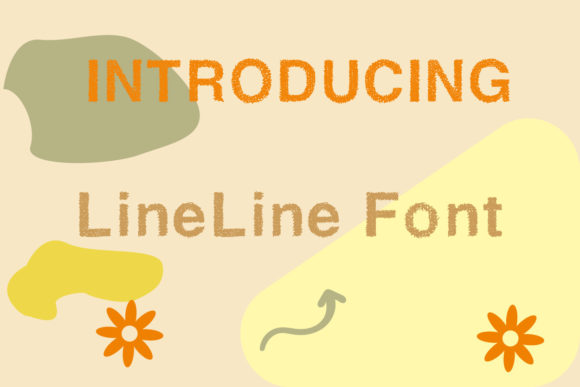
Line Line: Bold Brushed Display Font
Typography has the power to set the tone of a design before a single image is processed or a paragraph is read. When you need a typeface that commands attention while retaining a sense of organic, human touch, Line Line emerges as a compelling choice. This bold and brushed display font bridges the gap between raw artistic expression and modern digital clarity. For designers, marketers, and content creators alike, understanding how to leverage this specific style can transform average layouts into memorable visual experiences.
Understanding the Character of Line Line
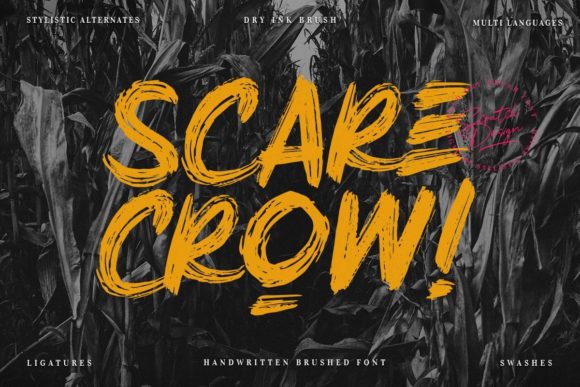
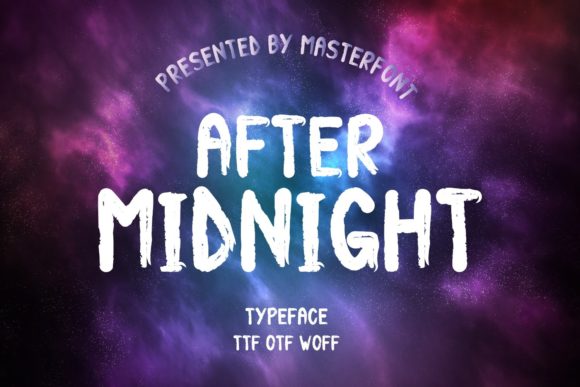
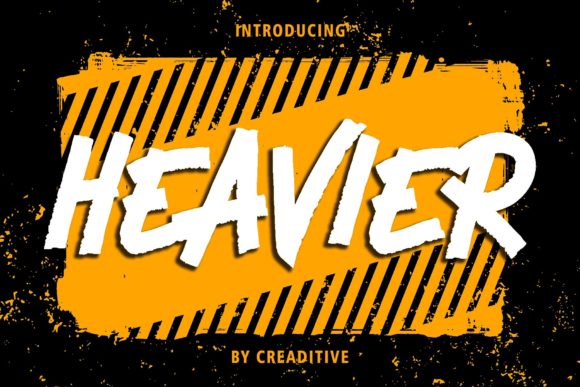
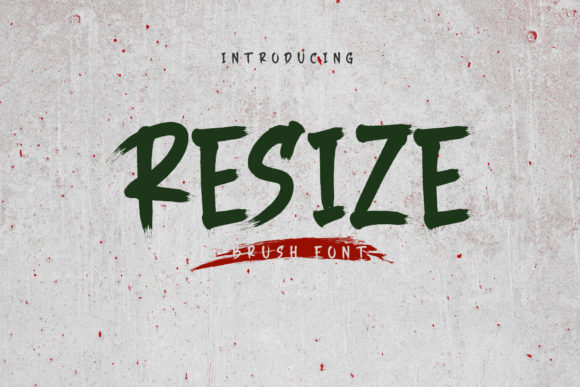
At its core, Line Line is defined by its duality. It combines the heavy weight of a bold sans-serif with the textured, imperfect edges of a brush stroke. This combination creates a visual texture that feels both substantial and dynamic. Unlike standard geometric fonts that can sometimes feel cold or corporate, this typeface introduces a layer of warmth and energy. The "brushed" aspect implies movement, suggesting that the letters were painted with intention and speed rather than constructed with rigid precision.
This characteristic makes it particularly effective for headlines where you want to convey confidence without appearing aggressive. The boldness ensures legibility from a distance, which is crucial for posters, social media graphics, and website headers. Meanwhile, the brushed edges soften the overall impact, making the text feel approachable and creative. It is not just a font; it is a stylistic statement that says your brand or project values authenticity and strength.
Why This Font Belongs in Your Creative Toolkit
Every designer builds a library of reliable tools, and Line Line serves a specific niche that is often hard to fill. Many display fonts are either too decorative, sacrificing readability, or too plain, failing to capture interest. This font strikes a balance. It is versatile enough to stand alone as a graphic element yet functional enough to support clear communication.
Consider the psychological impact of typography. Bold fonts are associated with authority and importance. Brushed fonts are associated with creativity, craft, and humanity. By merging these two traits, Line Line allows you to communicate authority in a way that feels personal. This is invaluable for small business owners who want to appear professional but not impersonal, or for educators creating materials that need to be engaging rather than dry.
Furthermore, the unique texture of the font reduces the need for additional graphic elements. In minimalist design trends, where whitespace is prized, a strong typographic choice can carry the visual weight of an entire composition. Using Line Line means you might not need extra icons, borders, or background images to make a header pop. The font itself provides the visual interest.
Practical Applications Across Industries
The versatility of this typeface allows it to shine in various contexts. Here are some realistic scenarios where Line Line can enhance your projects:
- Digital Marketing and Social Media: On platforms like Instagram or Pinterest, users scroll quickly. A bold, brushed headline stops the scroll. Use it for quote graphics, promotional announcements, or story covers to ensure your message is seen instantly.
- Branding and Logos: For startups in lifestyle, fitness, or artisanal sectors, this font can serve as the foundation of a logo. Its distinct character helps new brands establish a recognizable identity without complex iconography.
- Event Promotion: Whether it is a music festival, a workshop, or a local market, posters need to be readable from afar. The heavy weight of Line Line ensures that event titles are legible even when printed large or viewed on mobile screens.
- Educational Materials: Teachers and course creators can use this font for module titles or key concepts. It adds a friendly, energetic vibe to learning materials, making them feel less like textbooks and more like interactive guides.
- Packaging Design: For products that emphasize natural ingredients or handcrafted quality, such as coffee beans, skincare, or baked goods, the brushed texture aligns perfectly with the product narrative.
Design Best Practices for Maximum Impact
While Line Line is a powerful asset, it requires thoughtful application to achieve the best results. Because it is a display font, it is designed primarily for short bursts of text. Using it for long paragraphs or body copy can lead to reader fatigue due to its heavy weight and textured edges. Instead, reserve it for headings, subheadings, pull quotes, and short labels.
Contrast is key. To let the brushed details shine, pair this font with clean, simple sans-serifs for body text. A light, neutral font for the main content will create a pleasing hierarchy, allowing Line Line to act as the anchor of the design. Avoid pairing it with other decorative or handwritten fonts, as this can create visual clutter and confuse the viewer.
Color selection also plays a significant role. The textured nature of the font interacts differently with various backgrounds. It tends to look most striking against solid, contrasting colors. For example, white text on a deep navy or black text on a bright yellow can highlight the brush strokes effectively. Be cautious when placing it over busy photographs or complex patterns, as the fine details of the brush edges may get lost or become difficult to read.
Technical Considerations and Licensing
Before integrating Line Line into your workflow, consider the technical aspects. Ensure that the file format you choose supports the platforms you are using. For web design, verify that the font loads quickly and renders correctly across different browsers and devices. Some brushed fonts can appear pixelated at smaller sizes, so always test scalability.
Additionally, pay attention to licensing terms. If you are using this font for commercial projects, such as client logos or products for sale, confirm that your license covers commercial use. Many font creators offer different tiers of licensing, so it is essential to choose the one that matches your intended usage. Respecting intellectual property rights is a fundamental part of professional design practice.
Finally, remember that typography is subjective. What works for one brand may not suit another. Always test Line Line within the context of your specific project. Create mockups, gather feedback, and adjust spacing or sizing as needed. The goal is to enhance communication, not just to add decoration. When used with intention, this bold and brushed display font becomes more than just text; it becomes a vital component of your visual storytelling strategy.
In conclusion, adding Line Line to your font library is an investment in versatility and impact. It offers a unique blend of strength and style that can elevate a wide range of creative projects. By understanding its characteristics and applying it with care, you can create designs that are not only visually appealing but also effective in conveying your message. Whether you are a seasoned professional or a beginner exploring the world of design, this font provides the tools needed to make your work stand out.