Bringing Authentic Charm to Design with the Linocut Font
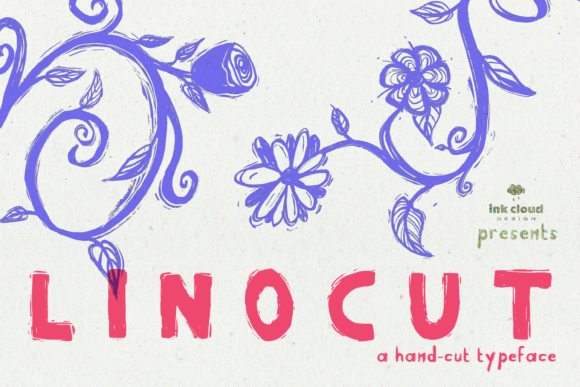
In a digital landscape saturated with sleek, vector-perfect typography, there is a growing hunger for imperfection. We crave the human touch, the slight wobble of a hand-drawn line, and the texture of real materials. This is where Linocut steps in. It is not just another typeface; it is a bridge between the tactile world of printmaking and the efficiency of modern digital design. As a cool, brushed, and friendly handwritten font, Linocut captures the authentic look and feel of traditional chalkboard art, adding a personal and realistic resonance to any project it touches.
The Psychology of Handwritten Typography
Why do we respond so positively to fonts that look like they were written by hand? The answer lies in trust and approachability. Perfectly kerned sans-serifs communicate efficiency and corporate stability, but they can often feel cold or distant. In contrast, a font like Linocut mimics the irregularities of human handwriting. The varying stroke widths, the subtle ink bleed effects, and the organic baseline shifts create a subconscious connection with the viewer. It says, "A person made this," rather than "A machine generated this."
For designers and content creators, understanding this psychological impact is crucial. When you choose Linocut, you are not merely selecting a style; you are setting a tone. You are signaling warmth, creativity, and accessibility. This makes it an invaluable tool for brands and individuals who want to lower barriers and invite engagement rather than command attention from a distance.
Transforming Educational Materials
One of the most powerful applications for Linocut is in the realm of education. Teachers, tutors, and educational content creators are constantly battling the "wall of text" phenomenon. Standard textbooks and slides can feel intimidating, especially for younger students or adult learners tackling complex subjects. By integrating Linocut into teaching materials, educators can soften the visual experience.
Imagine a science worksheet where the headers are written in a clean, bold serif, but the key definitions and encouraging notes are highlighted in Linocut. The font’s resemblance to chalk on a blackboard triggers nostalgic associations with classroom learning, making the material feel familiar and safe. It is particularly effective for:
- Worksheet Headers: Breaking up sections with friendly, handwritten titles helps students navigate tasks without feeling overwhelmed.
- Feedback Notes: Digital grading systems can feel impersonal. Using Linocut for comments like "Great job!" or "Check this step" adds a layer of personal encouragement.
- Flashcards: The authentic texture makes study aids feel less like rote memorization tools and more like creative artifacts.
The key here is moderation. Linocut should be used for emphasis and warmth, while body text remains in a highly readable standard font. This balance ensures that the aesthetic appeal does not compromise legibility, which is paramount in educational settings.
Elevating Cafe and Retail Branding
Walk into any trendy coffee shop, boutique bakery, or artisan market, and you will likely see chalkboards listing the daily specials. There is a reason for this: chalkboards imply freshness, daily effort, and a human touch. However, maintaining physical chalkboards is time-consuming, and not every business has a staff member with steady hand-lettering skills. This is where Linocut becomes a practical solution for small business owners and graphic designers alike.
By using Linocut in digital signage, menu boards, and social media graphics, businesses can replicate that coveted "chalkboard aesthetic" without the mess or inconsistency. For a cafe launching a new seasonal latte, a Instagram post featuring the drink name in Linocut against a textured background instantly communicates "homemade" and "special." It aligns the visual identity with the product’s value proposition: craft, care, and authenticity.
Retailers can also use this font for window decals and sale signs. A "50% Off" sign in a rigid, blocky font might scream "clearance," but the same message in Linocut feels like a friendly invitation. It reduces the aggressive nature of sales marketing, making customers feel more welcome and less pressured. This subtle shift in tone can significantly impact customer perception and foot traffic.
Adding Personality to Digital Communication
Beyond physical spaces and printed materials, Linocut has a place in our increasingly digital interpersonal communications. Bloggers, newsletter writers, and social media influencers are always looking for ways to stand out in crowded feeds. While video content dominates, static images and quote cards remain staples of engagement strategies.
Consider the popularity of "quote graphics" on platforms like Pinterest and Instagram. These images often feature inspirational quotes, tips, or humorous observations. When these quotes are set in a sterile system font, they can get lost in the noise. Linocut, with its brushed and friendly character, turns a simple sentence into a piece of art. It encourages users to stop scrolling and read, because the visual presentation promises a human perspective.
For bloggers, using Linocut for pull quotes within long-form articles can break up the monotony of text. It draws the eye to key takeaways and adds visual rhythm to the page. However, it is essential to ensure that the background contrast is high. Since Linocut has a textured, brush-like quality, it can lose definition if placed over busy or low-contrast backgrounds. A solid dark background with light text, or vice versa, works best to maintain the integrity of the brush strokes.
Practical Considerations for Designers
While Linocut is versatile, it is not a one-size-fits-all solution. Understanding its limitations is just as important as recognizing its strengths. The primary consideration is legibility at small sizes. Handwritten fonts, by nature, have irregular shapes and connections that can become muddy when scaled down. Therefore, Linocut should generally be avoided for body copy, legal disclaimers, or any text that requires rapid scanning.
Another factor is pairing. Linocut shines when paired with clean, neutral typefaces. A geometric sans-serif or a classic serif provides a stable foundation that allows the handwritten font to pop without creating visual chaos. Avoid pairing it with other decorative or script fonts, as this can lead to a cluttered and unprofessional appearance. The goal is contrast: structure versus flow, precision versus personality.
Additionally, consider the context of the brand. Linocut is ideal for industries that value creativity, wellness, education, food, and lifestyle. It may not be the best choice for financial institutions, law firms, or tech companies aiming to project cutting-edge innovation and strict reliability. In those contexts, the "imperfect" nature of the font might inadvertently signal a lack of precision or professionalism.
Creative Applications Beyond the Obvious
Think outside the traditional boxes. Linocut can be used for packaging labels, giving handmade products like soaps, candles, or jams an artisanal edge. It works beautifully on wedding invitations, adding a romantic and personal touch to the formal announcement. Even in web design, using Linocut for button text or navigation highlights can add a playful element to an otherwise standard layout.
The versatility of Linocut lies in its ability to humanize the digital experience. Whether you are a teacher trying to engage students, a cafe owner wanting to showcase your daily specials, or a designer looking to add warmth to a client’s brand, this font offers a straightforward way to inject personality. It reminds us that behind every screen and every product, there is a human intent. By choosing a typeface that reflects that humanity, we create designs that resonate on a deeper, more emotional level.
Ultimately, the decision to use Linocut should be driven by the story you want to tell. If that story is one of approachability, creativity, and genuine connection, then this brushed, friendly handwritten font is not just a design choice—it is the perfect voice for your message.