Unlocking Visual Appeal: A Comprehensive Guide to the Taki Taki Brushed Display Font
In the vast landscape of graphic design, typography serves as the voice of your visual message. It is not merely about choosing letters that are legible; it is about selecting a typeface that conveys emotion, culture, and intent. Among the myriad options available to modern designers, Taki Taki stands out as an incredibly unique, Chinese-inspired, brushed display font. Its distinct aesthetic bridges the gap between traditional calligraphic artistry and contemporary digital design, making it a powerful tool for creators looking to make a bold statement.
This article explores the essence of Taki Taki, examining its design origins, practical applications, and why it has become a go-to choice for food menus, posters, flyers, and various print materials. Whether you are a seasoned graphic designer or a small business owner looking to elevate your brand identity, understanding the nuances of this typeface can significantly enhance your creative output.
The Essence of Taki Taki: Where Tradition Meets Modernity
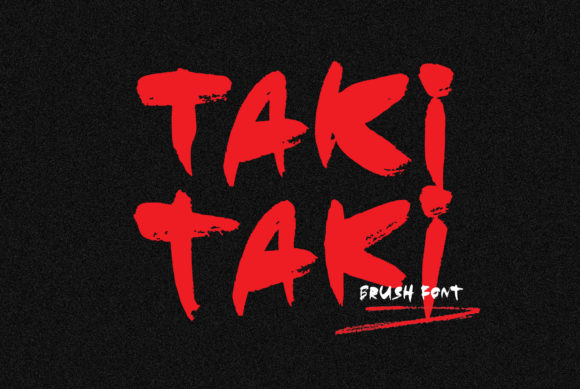
To truly appreciate Taki Taki, one must first understand the inspiration behind its design. The font draws heavily from Chinese brush calligraphy, a art form characterized by fluid strokes, varying line weights, and a sense of dynamic movement. However, Taki Taki is not a direct replica of ancient scripts. Instead, it interprets these traditional elements through a modern lens, resulting in a brushed display font that feels both authentic and fresh.
The "brushed" aspect refers to the texture and irregularity of the letterforms. Unlike standard sans-serif or serif fonts that rely on geometric precision, Taki Taki mimics the physical interaction between a brush and paper. You will notice slight imperfections, tapering ends, and organic curves that suggest human handiwork. This quality injects warmth and personality into designs, countering the often sterile feel of digital-only typefaces.
Key Design Characteristics
- High Contrast: The font features dramatic differences between thick and thin strokes, creating visual interest and rhythm.
- Organic Flow: Letters connect and flow into one another naturally, suggesting speed and energy.
- Cultural Nuance: While remaining accessible to global audiences, the glyph structures hint at East Asian aesthetics without sacrificing readability.
- Bold Presence: As a display font, it is designed to be used at larger sizes, commanding attention immediately.
Practical Applications in Design and Business
The versatility of Taki Taki makes it suitable for a wide range of projects. However, its strengths are most pronounced in contexts where energy, flavor, and cultural connection are paramount. Let us explore how this font fits into modern life, work, and creativity.
Elevating Food Menus and Culinary Branding
One of the most natural homes for Taki Taki is the culinary world, particularly in restaurants specializing in Asian cuisine. Food is a sensory experience, and typography plays a crucial role in setting expectations before a customer even tastes a dish. Using Taki Taki on a food menu can evoke the freshness of handmade noodles, the sizzle of a wok, or the artisanal nature of dim sum.
For example, a ramen shop might use Taki Taki for section headers like "Broths" or "Specialties," pairing it with a clean, minimal sans-serif for the item descriptions and prices. This combination ensures that the brand feels authentic and inviting while maintaining clarity for the reader. The font’s brush strokes subtly suggest the manual labor and care involved in preparing the food, enhancing the perceived value of the dining experience.
Impactful Posters and Flyers
In marketing materials such as posters and flyers, the primary goal is often to capture attention quickly. Taki Taki’s bold, expressive nature makes it ideal for headlines that need to pop. Whether you are promoting a cultural festival, a grand opening, or a limited-time offer, this font delivers immediate visual impact.
Consider a flyer for a Lunar New Year celebration. Using Taki Taki for the main title allows the design to resonate with the theme culturally while remaining stylish and modern. The font’s dynamic energy mirrors the excitement of the event, encouraging viewers to engage with the content. When paired with vibrant colors and relevant imagery, Taki Taki helps create a cohesive and memorable promotional piece.
Integrating Taki Taki into Your Creative Workflow
While Taki Taki is visually striking, using it effectively requires an understanding of typographic hierarchy and balance. Here are some guidelines to help you explore its endless possibilities without overwhelming your design.
- Use it for Headlines, Not Body Text: As a display font, Taki Taki is optimized for large sizes. Using it for long paragraphs can reduce readability and cause visual fatigue. Reserve it for titles, logos, and short phrases.
- Pair with Neutral Typefaces: To let Taki Taki shine, pair it with simple, understated fonts. Clean sans-serifs or classic serifs work well as supporting typefaces, providing a stable foundation for the expressive headlines.
- Mind the Spacing: Brush fonts often have unique kerning needs. Adjust the spacing between letters to ensure that the characters breathe properly and do not appear cluttered or disconnected.
- Experiment with Color: The organic shapes of Taki Taki interact beautifully with color. Try using deep reds, golds, or blacks to emphasize its cultural roots, or experiment with modern palettes to give it a contemporary twist.
Common Misunderstandings About Brush Fonts
A common assumption is that brush fonts like Taki Taki are only suitable for traditional or ethnic-themed designs. While they certainly excel in those areas, their application is far broader. In modern branding, brush fonts are often used to convey concepts of craftsmanship, authenticity, and human touch. A tech startup focusing on user-friendly design might use a brushed font to soften its image and appear more approachable. Similarly, a fitness brand might use it to convey motion and energy. Understanding this flexibility allows designers to break free from stereotypical associations and use Taki Taki in innovative ways.
The Significance of Cultural Inspiration in Global Design
In an increasingly interconnected world, design often serves as a bridge between cultures. Taki Taki exemplifies how cultural inspiration can be adapted for global appeal. By drawing from Chinese calligraphy, the font respects and celebrates a rich artistic heritage while making it accessible to international audiences who may not read Chinese characters.
This approach aligns with the principles of inclusive design, where diverse cultural elements are integrated respectfully and thoughtfully. For businesses operating in multicultural environments, using a font like Taki Taki can signal respect for diversity and an appreciation for global aesthetics. It allows brands to communicate with nuance, acknowledging cultural roots without resorting to clichés or caricatures.
Conclusion: Embrace the Power of Expressive Typography
Taki Taki is more than just a font; it is a design element that carries weight, history, and emotion. Its unique blend of Chinese-inspired brush strokes and modern display characteristics makes it an invaluable asset for any designer’s toolkit. From enhancing the appeal of a food menu to creating eye-catching posters and flyers, this font offers endless possibilities for creative expression.
By understanding its strengths and applying it with intention, you can elevate your designs from functional to unforgettable. Whether you are working on a personal project or a professional campaign, consider incorporating Taki Taki to add a touch of authenticity and flair. Explore its potential, experiment with pairings, and let the brush strokes guide your creative journey. In the end, the right typography does not just display information—it tells a story.
For those interested in expanding their typographic repertoire, investing time in learning how to use specialized display fonts like Taki Taki is a worthwhile endeavor. It encourages a deeper engagement with design principles and opens up new avenues for visual communication. So, download the font, start experimenting, and discover how Taki Taki can transform your next project.