Unleashing Creativity: The Design Power of Dogies Handwritten Typography
In the expansive world of digital typography, finding a typeface that strikes the perfect balance between personality and legibility is often a challenge for designers. Many fonts lean too heavily into abstraction, sacrificing readability for style, while others remain so rigidly structured that they fail to evoke any emotional response. Enter Dogies, a quirky and incredibly sweet paint-brushed handwritten font that has quickly become a favorite among creators seeking to inject warmth and authenticity into their projects. This typeface is not merely a collection of letters; it is a design tool that bridges the gap between professional polish and playful charm, making it an essential asset for modern visual communication.
The Aesthetic Appeal of Paint-Brushed Lettering
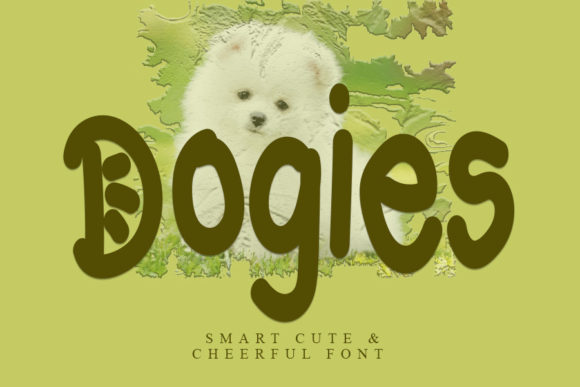
The visual language of Dogies is rooted in the organic imperfections of hand-painted lettering. Unlike vector-based sans-serifs that offer uniform stroke widths and geometric precision, this font mimics the natural variation of a brush moving across paper. Each character carries the subtle texture of bristles, with slight variations in thickness and edge roughness that suggest human creation rather than mechanical reproduction. This aesthetic is crucial in an era where consumers are increasingly skeptical of overly polished, corporate branding. The "sweet" quality of the font comes from its rounded terminals and open counters, which create a welcoming and approachable vibe.
When designers incorporate Dogies into their work, they are leveraging the psychological impact of handwritten text. Studies in consumer psychology suggest that handwritten-style typography can increase perceived trustworthiness and intimacy. It signals that there is a human behind the brand or message. This is particularly effective for small businesses, artisans, and service providers who want to differentiate themselves from large, impersonal corporations. The font’s quirky nature ensures that it stands out in a crowded visual landscape, capturing attention without appearing aggressive or loud.
Ideal Applications in Pet-Themed Designs
While versatile, Dogies finds its most natural home in pet-themed designs. The connection between the font’s name and its intended use case is no accident. The playful, energetic strokes mirror the unpredictable and joyful behavior of dogs and other domestic animals. For veterinary clinics, pet groomers, and animal shelters, using this typeface can significantly enhance brand identity. It communicates care, compassion, and fun—values that are central to the pet industry.
Consider the packaging for a new line of organic dog treats. A sterile, modern font might suggest clinical precision, but Dogies suggests homemade love and natural ingredients. When combined with bright colors, such as vibrant oranges, sunny yellows, or sky blues, the font pops against the background, creating a shelf presence that is both eye-catching and emotionally resonant. Similarly, for pet adoption campaigns, the font’s friendly demeanor can help reduce the anxiety potential adopters might feel, making the process seem more approachable and less bureaucratic.
Beyond Pets: Broadening the Scope
Although optimized for animal-related content, limiting Dogies to just pet themes would be a mistake. Its inherent warmth makes it suitable for any brand or project that values approachability and creativity. Educational materials for young children, for instance, benefit greatly from this typeface. The distinct letterforms are easy for early readers to distinguish, and the playful style keeps engagement high. Teachers and educational content creators can use it for worksheet headers, classroom decorations, or interactive learning apps.
Furthermore, the food and beverage industry, particularly sectors focused on artisanal or handmade products, can leverage this font effectively. Bakeries, juice bars, and farm-to-table restaurants often seek to convey a sense of rustic charm and personal touch. Dogies fits seamlessly into menu designs, signage, and packaging for these establishments. It suggests that the product was crafted with care, by hand, rather than mass-produced in a factory. This alignment between typographic style and brand promise strengthens customer loyalty and brand recognition.
Color Theory and Visual Harmony
The prompt notes that Dogies is especially effective when combined with bright colors. This is a critical design consideration. Because the font has a textured, brush-like appearance, it interacts dynamically with color. Flat, muted tones may cause the details of the brush strokes to get lost, whereas high-saturation colors highlight the variations in the letterforms. Designers should experiment with contrasting backgrounds to ensure maximum legibility and visual impact.
- High Contrast Pairings: Use white or light cream text on deep blue or vibrant purple backgrounds to make the brush textures stand out.
- Complementary Colors: Pair orange text with teal backgrounds for a lively, energetic look that appeals to younger demographics.
- Monochromatic Schemes: Use different shades of the same bright color for the text and background to create a sophisticated yet playful layered effect.
It is also important to consider the weight of the surrounding design elements. Since Dogies is a display font with significant personality, it should generally be paired with simpler, neutral sans-serif fonts for body text. This creates a visual hierarchy that guides the reader’s eye. Overusing decorative fonts can lead to visual clutter, so reserving Dogies for headlines, logos, and short callouts ensures it remains impactful rather than overwhelming.
Technical Considerations for Designers
From a technical standpoint, working with a handwritten font like Dogies requires attention to spacing and scaling. Handwritten typefaces often have irregular kerning pairs because they are designed to mimic natural handwriting, where letter spacing varies. Designers may need to manually adjust tracking (letter spacing) to ensure optimal readability, especially at smaller sizes. It is generally recommended to use this font at larger point sizes where the details of the brush strokes can be appreciated and where minor spacing inconsistencies are less noticeable.
Additionally, file format selection plays a role in the final output. For web use, ensuring that the font is properly converted to web-friendly formats like WOFF or WOFF2 is essential for fast loading times and cross-browser compatibility. For print projects, high-resolution vector files or high-DPI raster images should be used to preserve the crispness of the brush edges. Blurry or pixelated edges can detract from the professional quality of the design, undermining the font’s intended charm.
Enhancing Brand Storytelling Through Typography
Typography is a fundamental component of brand storytelling. The choice of Dogies sends a specific message about the brand’s personality: it is friendly, authentic, and unafraid to show a bit of quirks. In a market saturated with minimalist, cold aesthetics, this font offers a refreshing alternative. It allows brands to connect with their audience on an emotional level, fostering a sense of community and shared values.
For content creators and marketers, integrating this font into social media graphics can increase engagement. Posts featuring handwritten-style text often perform better than those with standard corporate fonts because they feel more personal and less like advertisements. Whether it is a quote graphic, a promotional announcement, or a behind-the-scenes look, Dogies adds a layer of humanity that resonates with users scrolling through their feeds.
Accessibility and Inclusivity
While aesthetics are important, accessibility must never be overlooked. Handwritten fonts can sometimes pose challenges for individuals with dyslexia or visual impairments. Therefore, it is crucial to use Dogies responsibly. It should not be used for long paragraphs of text or critical information that requires quick scanning. Instead, reserve it for decorative purposes and ensure that all essential information is also available in a highly legible, standard font. Providing sufficient contrast between the text and background is also vital for meeting accessibility standards.
By balancing creative expression with functional clarity, designers can harness the full potential of Dogies. It is a tool that, when used thoughtfully, can transform ordinary designs into memorable experiences. Whether you are designing a logo for a new puppy daycare, creating educational materials for a kindergarten class, or packaging artisanal jams, this font offers the versatility and charm needed to make your project stand out. Embracing the quirky, sweet nature of this typeface allows creators to infuse their work with joy, proving that even in the digital age, the human touch remains invaluable.