Unlocking Visual Impact: A Comprehensive Guide to the Marthoni Handwritten Font
In the vast landscape of digital typography, finding a typeface that strikes the perfect balance between professionalism and personality can be a challenge. Designers, marketers, and content creators are constantly searching for fonts that do more than just display text; they want letters that speak, evoke emotion, and establish an immediate connection with the audience. Enter Marthoni, a cool and brushed handwritten font that has quickly become a favorite for those looking to infuse their projects with style, confidence, and a touch of nostalgia.
This article explores the unique characteristics of Marthoni, its practical applications in modern design, and why understanding the psychology behind handwritten typography can elevate your creative work. Whether you are a seasoned graphic designer or a small business owner managing your own branding, understanding how to leverage a font like Marthoni can significantly enhance your visual communication strategy.
The Essence of Marthoni: More Than Just Letters
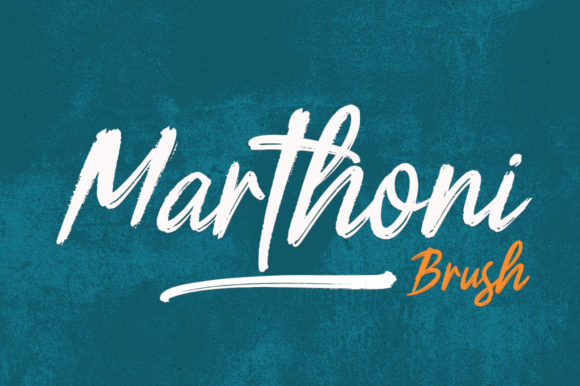
At its core, Marthoni is crafted to give your headlines and logotype projects a stylish touch. But what does that actually mean in practice? Unlike standard sans-serif or serif fonts that prioritize uniformity and rigid structure, Marthoni embraces the organic imperfections of human handwriting. It is described as strong, confident, and dynamic, qualities that are often difficult to capture in digital text.
The "brushed" aspect of Marthoni refers to the texture and stroke variation within each character. Imagine taking a thick paintbrush to paper; the pressure varies, creating thick downstrokes and thinner upstrokes. This mimics the natural rhythm of hand-lettering. When you use Marthoni, you are not just choosing a font; you are choosing a vibe. It adds tons of nostalgic character to your designs, harkening back to an era of artisanal craftsmanship and personal touches, yet it remains crisp and legible enough for modern digital screens.
Why Handwritten Fonts Matter in Digital Design
In an age where automation and AI-generated content are becoming ubiquitous, authenticity is a premium commodity. Consumers are increasingly drawn to brands and messages that feel "human." Handwritten fonts like Marthoni serve as a bridge between the digital world and human warmth. They break the monotony of corporate minimalism and introduce a layer of approachability.
Consider the difference between a headline written in a stark, geometric sans-serif versus one written in Marthoni. The former might convey efficiency and cold precision. The latter conveys energy, movement, and a personal invitation. This distinction is crucial when trying to build trust and rapport with an audience.
Practical Applications: Where to Use Marthoni
Understanding the aesthetic of Marthoni is only half the battle; knowing where to apply it is equally important. Because it is a display font with strong personality, it is not suitable for body text or long paragraphs. Its strength lies in short, impactful bursts of information. Here are some ideal scenarios for incorporating Marthoni into your workflow:
- Logo Design and Branding: For businesses in lifestyle, fashion, food, or creative industries, a logo using Marthoni can instantly communicate a brand’s playful yet confident identity. It works exceptionally well for boutiques, cafes, and freelance portfolios.
- Social Media Graphics: In the scroll-heavy environment of Instagram or Pinterest, your image needs to stop the user. Marthoni’s dynamic strokes stand out against photographic backgrounds, making it perfect for quote cards, promotional announcements, and story highlights.
- Packaging and Labels: If you are designing product packaging, especially for artisanal goods like handmade soaps, craft beers, or organic snacks, Marthoni adds that essential "handcrafted" feel that suggests quality and care.
- Website Headers and Hero Sections: Use it sparingly on websites to highlight key value propositions or welcome messages. It draws the eye and sets a friendly tone before the user even reads the detailed content.
Design Best Practices for Using Brushed Fonts
While Marthoni is versatile, it requires thoughtful handling to ensure it remains effective. Misusing a decorative font can lead to cluttered or unreadable designs. Here are some expert tips to help you get the most out of this typeface:
- Pairing is Key: Because Marthoni is so distinctive, it should be paired with a neutral, clean font for supporting text. A simple sans-serif like Helvetica, Open Sans, or Lato works beautifully. This contrast ensures that the Marthoni headlines pop without overwhelming the reader.
- Mind the Spacing: Handwritten fonts often have unique kerning (spacing between letters). Always check that letters are not touching unintentionally or spaced too far apart. Marthoni is designed to flow, so allow the characters to breathe but maintain a cohesive unit.
- Color Contrast: The brushed texture of Marthoni means it has internal details. Ensure there is high contrast between the font color and the background. Using Marthoni in white over a dark, textured background, or in deep navy over cream, can enhance its legibility and visual appeal.
- Less is More: Resist the urge to use Marthoni for everything. Reserve it for headlines, titles, and call-to-action buttons. Overusing a decorative font dilutes its impact and can make a design look amateurish.
Common Misconceptions About Handwritten Typography
There are several assumptions people make when selecting fonts like Marthoni. One common misunderstanding is that handwritten fonts are inherently "casual" or "unprofessional." While it is true that they are less formal than Times New Roman, professionalism is context-dependent. In creative industries, a rigid font might actually signal a lack of creativity or adaptability. Marthoni projects confidence and dynamism, which are highly professional traits in modern marketing.
Another assumption is that all brush fonts look the same. However, Marthoni is specifically crafted to read as strong and dynamic. Some brush fonts are overly swirly or delicate, which can sacrifice readability. Marthoni maintains a robust structure, ensuring that even at smaller sizes, the message remains clear. It balances the artistic flair of calligraphy with the functional necessity of legibility.
The Psychological Impact of Nostalgic Design
Why does Marthoni add "nostalgic character" to designs? Nostalgia is a powerful emotional trigger. It connects viewers to memories of personal notes, handwritten letters, and artisanal signs from the past. In a digital-first world, these analog references create a sense of comfort and familiarity.
When a viewer sees Marthoni, their brain subconsciously registers the human effort behind the letters. This triggers a psychological response known as the "halo effect," where the perceived warmth and authenticity of the font transfer to the brand or message itself. For educators, this can make learning materials feel more approachable. For businesses, it can make a company seem more customer-centric and less corporate.
Furthermore, the dynamic nature of the font suggests movement and progress. It is not static; it feels like it was written in the moment. This aligns well with modern values of agility, creativity, and forward-thinking. It tells the audience that the brand is alive, active, and engaged.
Integrating Marthoni into Your Creative Toolkit
For those new to typography, starting with a font like Marthoni can be a great way to learn about visual hierarchy. By restricting its use to headlines, you are forced to think critically about what information is most important. This discipline improves overall design skills.
If you are working in software like Adobe Photoshop, Illustrator, or Canva, experimenting with Marthoni allows you to explore layer styles. Adding subtle drop shadows or outlines can further enhance its visibility without detracting from its handwritten charm. However, always preview your design on multiple devices. What looks good on a large desktop monitor might need adjustment on a mobile screen, where space is limited.
It is also worth noting that using high-quality fonts like Marthoni supports the ecosystem of type designers. These artists spend countless hours refining curves, spacing, and weights to ensure a seamless user experience. Investing in proper licensing not only ensures you have the legal right to use the font but also encourages the creation of more innovative typefaces in the future.
Conclusion: Elevate Your Design with Confidence
Marthoni is more than just a collection of letters; it is a design tool that embodies strength, confidence, and dynamic energy. By understanding its origins as a brushed handwritten font and recognizing its ability to add nostalgic character, you can make more informed decisions in your creative projects. Whether you are designing a logo, a social media post, or a website header, Marthoni offers a stylish touch that resonates with modern audiences seeking authenticity.
Remember, the goal of typography is not just to be read, but to be felt. Marthoni allows your words to carry weight and emotion, transforming simple text into a compelling visual statement. As you continue to explore the world of design, keep experimenting with how handwritten elements can complement structured layouts. The right font, used in the right context, can turn a good design into a great one.
For more insights on typography trends and design best practices, consider exploring resources on visual hierarchy and color theory. Understanding how Marthoni interacts with other design elements will empower you to create work that is not only visually stunning but also strategically effective. Embrace the dynamic spirit of Marthoni and let your designs speak with confidence.